Speakers

Session
Join an exclusive, invite-only leadership morning as part of Women in Biotech. This interactive session will introduce the mentoring programme and feature past mentees reflecting on their journeys, key learnings, and the impact the programme has had on their careers.
The session will offer practical insights on building a strong relationship with your mentor, making the most of each interaction, and working through common challenges that may arise. The session will also include time for peer-to-peer discussion, bringing together past and current mentees to exchange experiences, perspectives, and advice.
Designed to be relevant across career stages, the session will encourage shared learning, practical reflection, and open conversation to help you maximise the value of the mentoring journey ahead.
Strictly invite-only for mentees of our Women in Biotech mentoring programme.
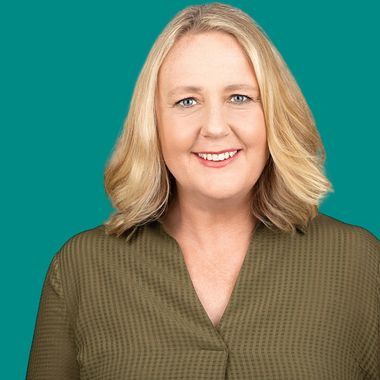
What does your role at BIA involve?
As an experienced Biochemical Engineer, Kate leads skills and talent programme development across STEM industries using over 30 years of experience within large pharma and small company networks. Working with BIA, she represents the sector ensuring access to the incredible talent and addressing skills gaps to start, grow and scale innovative life sciences and biotech organisations.
Previous experience & achievements
In addition to her role at BIA, Kate works as an independent consultant supporting organisations to develop their skills and talent strategies. She has oversight for quality governance of technical and professional education as IfATE Non-Executive Director and is a Board member of North Hertfordshire College. Kate holds MBA from Open University and a PhD in Bio-Chemical Engineering from UCL. As a Chartered Engineer (CEng FIChemE), she held previous senior leadership roles across diverse pharmaceutical manufacturing and R&D portfolios including Solid Dose, Parenteral & Inhaled Devices.
If you could invite any scientist or entrepreneur to dinner, who would it be and why?
Rosalind Franklin, as she made contributions to the understanding of the fine molecular structures of DNA and RNA. She studied science at a time when few women attended university and led pioneering work on multiple viruses. Kate would love to know what she thinks about what we know now!