
600
+
member companies representing UK ecosystem

60
influence meetings with policymakers

5500
+
attendees across 40 events hosted

10
million
£ saved by BIA members in the past 12 months


Biotech and life sciences news and insights
 Press releases
 Member news
 Blogs
Blogs
 Reports






Explore opportunities to influence, connect and save with the BIA

Influence
policymakers, ensuring your voice is heard on matters that are critical to the success of your organisation

Connect
with the UK ecosystem through industry-leading events, expert committees and overseas missions

Save
money with the BIA Business Solutions purchasing programme, helping your business grow cost-effectively
Join us at the next BIA event

Free
Member-only
Free
Member-only


As an Australian-headquartered venture capital firm with a growing UK presence, the BIA has been instrumental in helping me raise awareness of Brandon Capital and create opportunities for our portfolio companies across the UK biotech ecosystem.
An invaluable partner in amplifying our presence in the UK and beyond, the BIA’s excellent networking events, insightful policy papers, and strong communication channels have helped us connect with key industry stakeholders and stay ahead of policy developments.
We actively encourage our portfolio companies, including those headquartered in Australia, to join as they expand into the UK, as BIA membership offers immediate access to a trusted, internationally connected community and enhances visibility across the life sciences sector.
We also value the BIA’s close partnership with the government and its influence on shaping policy.

The BIA is a truly exceptional organisation, bringing together companies across the life sciences ecosystem, from Biotech and TechBio to biopharma, big and small. For companies like Relation, being part of this community is invaluable. The BIA not only fosters connection through networking and community events, but also plays a critical role in shaping policy, supporting leadership development, and championing innovation across the UK. We’re proud to be members of such a vibrant and mission-driven network, thank you for all that you do!

The Wellcome Sanger Institute is proud to be an active member of the BIA. The BIA’s commitment to driving innovation aligns with the Sanger Institute mission. Through the BIA network of like-minded organisations we can expand the reach and impact of Sanger’s science at scale.
The BIA plays such a vital role in connecting and strengthening the UK life sciences ecosystem. For a company like Aldevron, whose mission is all about enabling innovation, being part of that community is essential. When I joined Aldevron as the first employee outside the US, based here in the UK, one of my very first decisions was to become a BIA member. Cytiva, our Danaher sister company, has been a long-standing supporter of the BIA, and it made perfect sense for Aldevron to join that conversation. Being part of the BIA gives us the platform to collaborate, share ideas, and learn from the incredible innovation happening across the UK and beyond.

Joining the BIA was an easy decision for Stablepharma, not only to participate in their excellent networking events but also to be part of an organisation that has the focus and lobbying power with relevant government bodies in the UK. It is always good to meet other technology and biotechnology companies within the life sciences space, as well as suppliers and specialists in our industry sector. BIA’s clear commitment to progressing and celebrating the successes of the UK life sciences sector for ultimately, better patient and population healthcare, is truly impressive.

The BIA is simply the best trade organisation I've been a member of in 40 years of business, well done BIA!
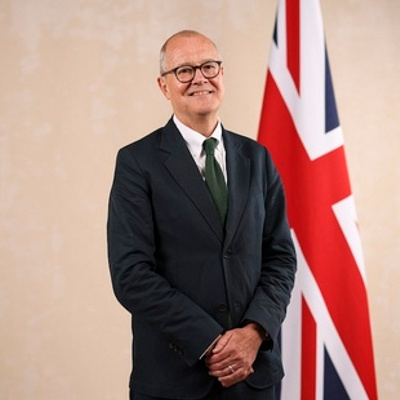
Thanks for sending through this [mRNA report] - really interesting and useful piece of work. These sorts of maps and analysis of what we have (and what we don’t have) will be very helpful. As you know, they certainly were during Covid.

We’re honoured to be named the BioIndustry Association’s Charity Partner for 2025. This partnership will help us address the disparities in blood cancer outcomes across the UK. We have been working closely with the industry for the last decade, and now with the BIA's support, we will amplify our work to improve survival rates and strive to ensure that no one’s chances of survival are determined by where they live.
Together, we can drive vital change and ensure the UK is a global leader when it comes to blood cancer survival.
BIA Annual Supporters