Shaping Europe’s biosolutions regulatory agenda
Overcoming regulatory hurdles to secure the UK’s place in the global engineering biology race

Linda Bedenik
Head of Biosolutions and International Policy, BIA
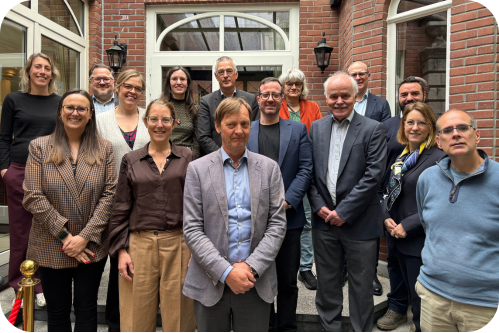
Ahead of the European Biosolutions Coalition (EBC) Summit in Brussels earlier this month, the BioIndustry Association (BIA) brought together expert stakeholders from the UK and EU to discuss one of the most pressing issues facing modern biotechnology: regulation.
Our roundtable focused on GMO regulation and the extent to which outdated, unclear, and overly slow systems can hold companies back. Discussions highlighted everything from the lack of a clear framework for research field trials, to the complex double regulation facing enhanced genetically modified microorganisms (GMMs) used in precision fermentation ingredients like rennet enzymes or milk proteins.
The UK shift: a model for enabling frameworks
The session also highlighted the positive steps the UK has already taken through the Precision Breeding Act (PBA) to exempt certain genome-edited technologies from traditional GMO rules, creating a more enabling environment for innovation.
Across the room, the message was clear: current regulatory frameworks are simply not keeping pace with the science. When the absence of regulatory certainty delays market uptake, it doesn't just stall growth – it prevents novel solutions from being developed in the first place, forcing European innovators to relocate to more permissive environments like the US. For Europe to remain competitive in biotech and biosolutions, regulation must become more proportionate, pragmatic and aligned with the needs of innovators.
A timely opportunity for an EU–UK reset
With the proposed EU Biotech Act II and a wider reset in EU–UK relations on the horizon, there is a timely opportunity to rethink how regulation can better support growth, collaboration, and scientific progress across the region.
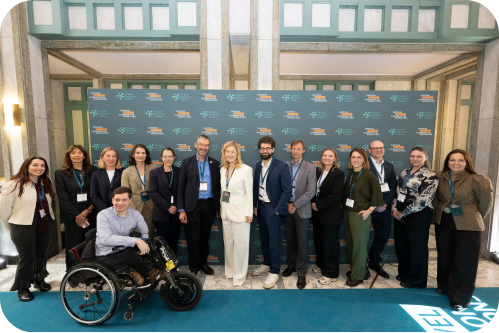
That same urgency carried through to the Summit itself, where our Managing Director Jane Wall joined a panel discussion on what Europe and the UK need to do next to strengthen their position in an increasingly competitive global landscape.
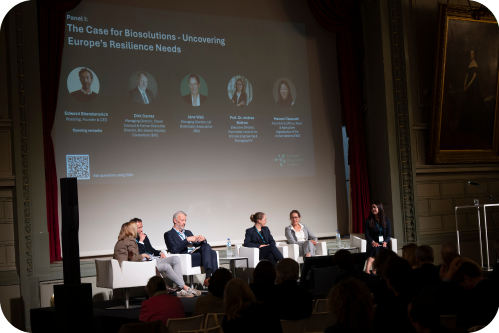
Perspectives from the summit: overcoming fragmentation
Jane reflected on the growing momentum behind a more coordinated European approach:
Spending time in Europe is fascinating at the moment. We have so much change and forward momentum in the UK, while in Europe the conversation feels super-charged by geopolitics and global competition. Fragmentation and lack of speed remain enormous challenges, but with initiatives like the Biotech Act we are starting to see consensus and some real forward thinking. As the UK Government works out how we will align with Europe and to what degree, we need to ask ourselves: how do we align in a way that protects collaboration, funding and access to markets, while also retaining and growing our global leadership in innovative life sciences?
Advocating for the UK biotech future
Our presence at the Summit reflects the importance of ensuring the UK continues to play an active role in shaping the cross-European biosolutions agenda. As the UK’s trade association for biotech and innovative life sciences, BIA is proud to contribute to these conversations on behalf of its members.
That role is strengthened by our position on the boards of both EuropaBio and the European Biosolutions Coalition – organisations that continue to see the UK as an important part of Europe’s biotech future.
As momentum builds across Europe, one thing is becoming increasingly clear: there is consensus on the direction of travel among innovators, but now speed matters. Regulatory innovation will be essential if Europe and the UK are to keep pace in a rapidly evolving global biotech race.
Thank you to all our members who enable us to continue fighting for UK biosolutions both at home and abroad.