
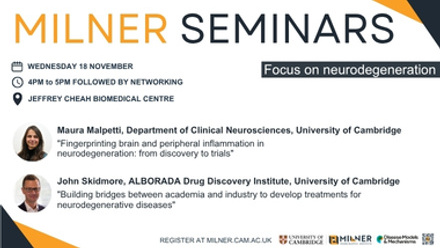
Free
External
Developing human models of complex neurological disorders
There is a well-described translational bottleneck between fundamental lab research using model systems and transformational therapies for complex human diseases. One of the simplest explanations for this translational gap is that these models simply do not sufficiently reflect human biology to allow accurate estimation of the efficacy and safety of potential therapies. Thus, better all-human models are required to bridge this gap. Living human brain tissue has the potential to do just that, as it possesses all the cell types, connections, and genetic diversity of the population – but is also amenable to transgenic manipulation. This seminar will cover our team's experiences with accessing living human brain tissue and using this precious bioresource to model genetic conditions.