BIA Start-up Festival: practical lessons for biotech founders
Fundraising, collaboration, IP and leadership in focus as founders and investors shared practical advice for scaling in the UK

Ethan Almond
Content & Communications Executive, BIA
At this year’s BIA Start-up Festival, founders, investors and advisers came together to discuss what it takes to turn promising science into investable, scalable businesses.
The day covered the funding outlook, dealmaking, partnerships, IP and leadership, with contributions from speakers. The mood was realistic but hopeful. BIA CEO Chris Molloy's balance of optimism and caution ran through the whole programme:
Whilst the sun is coming up, there’s still frost on the ground.
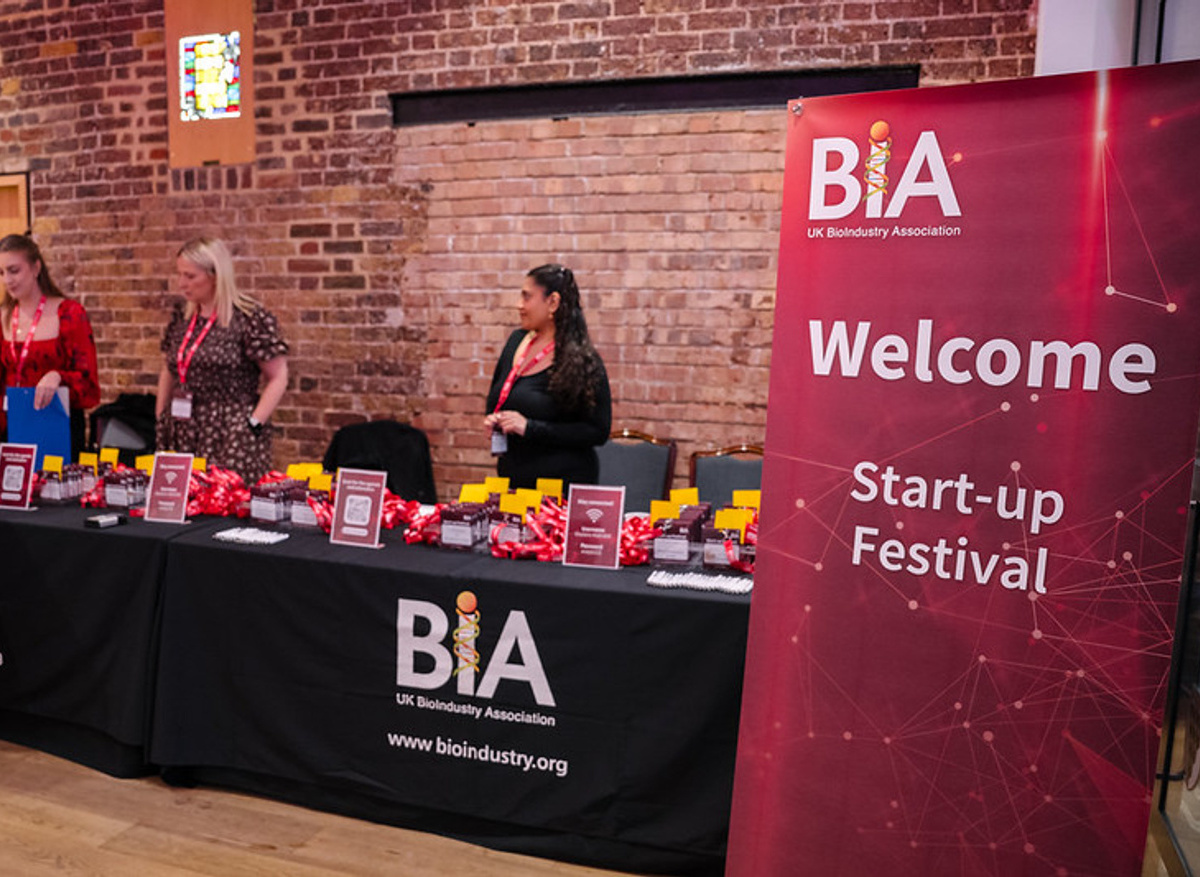
Welcome to Start-up Festival

Glaziers Hall
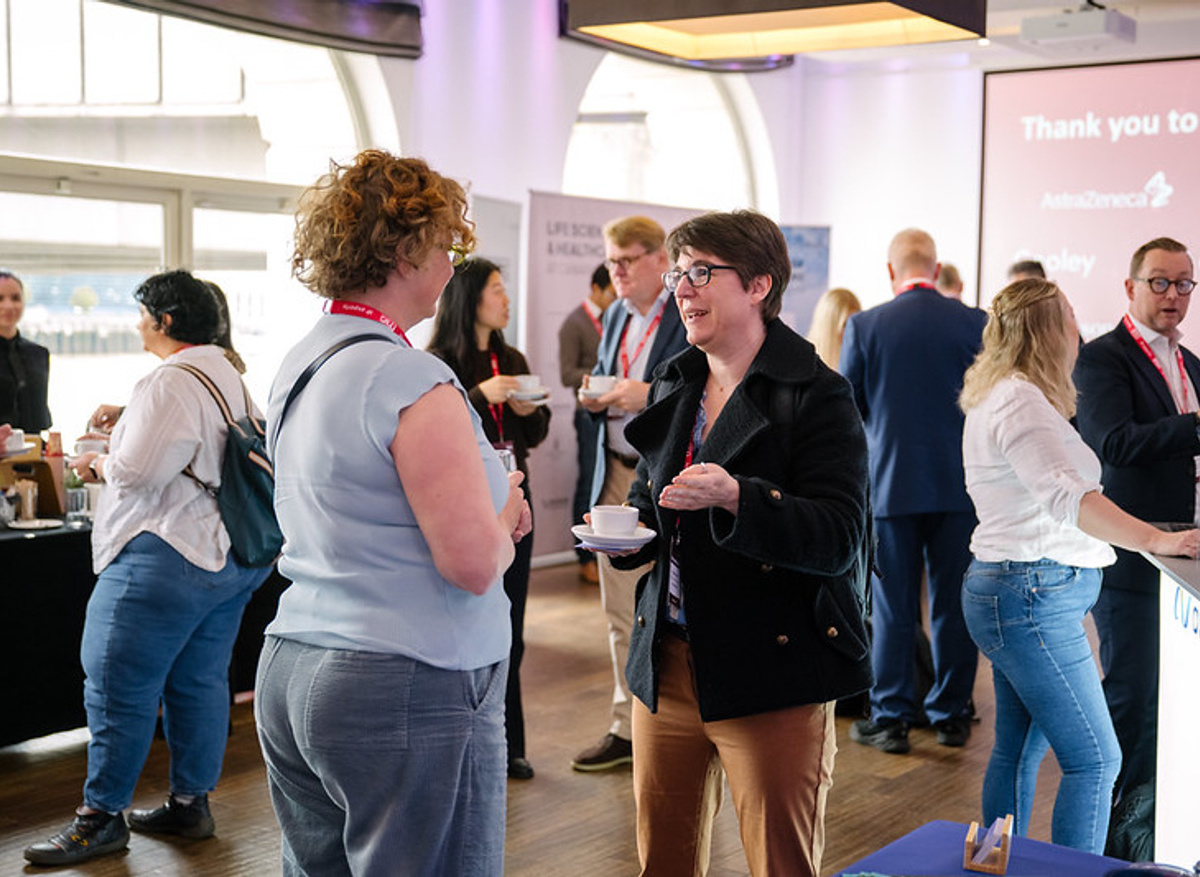
Networking
Green shoots, but a higher bar
The opening session on 2026’s green shoots explored a market that may be improving but remains demanding for early-stage companies.
That message was reinforced in the expert roundtables, where Phil Masterson of Cancer Research Horizons said:
The bar has fundamentally shifted from interesting science to funding companies that can deliver clear investable outcomes.
Investor conviction now rests on a credible path to human proof of concept, data that stands up to real scrutiny and a team that can execute and adapt.
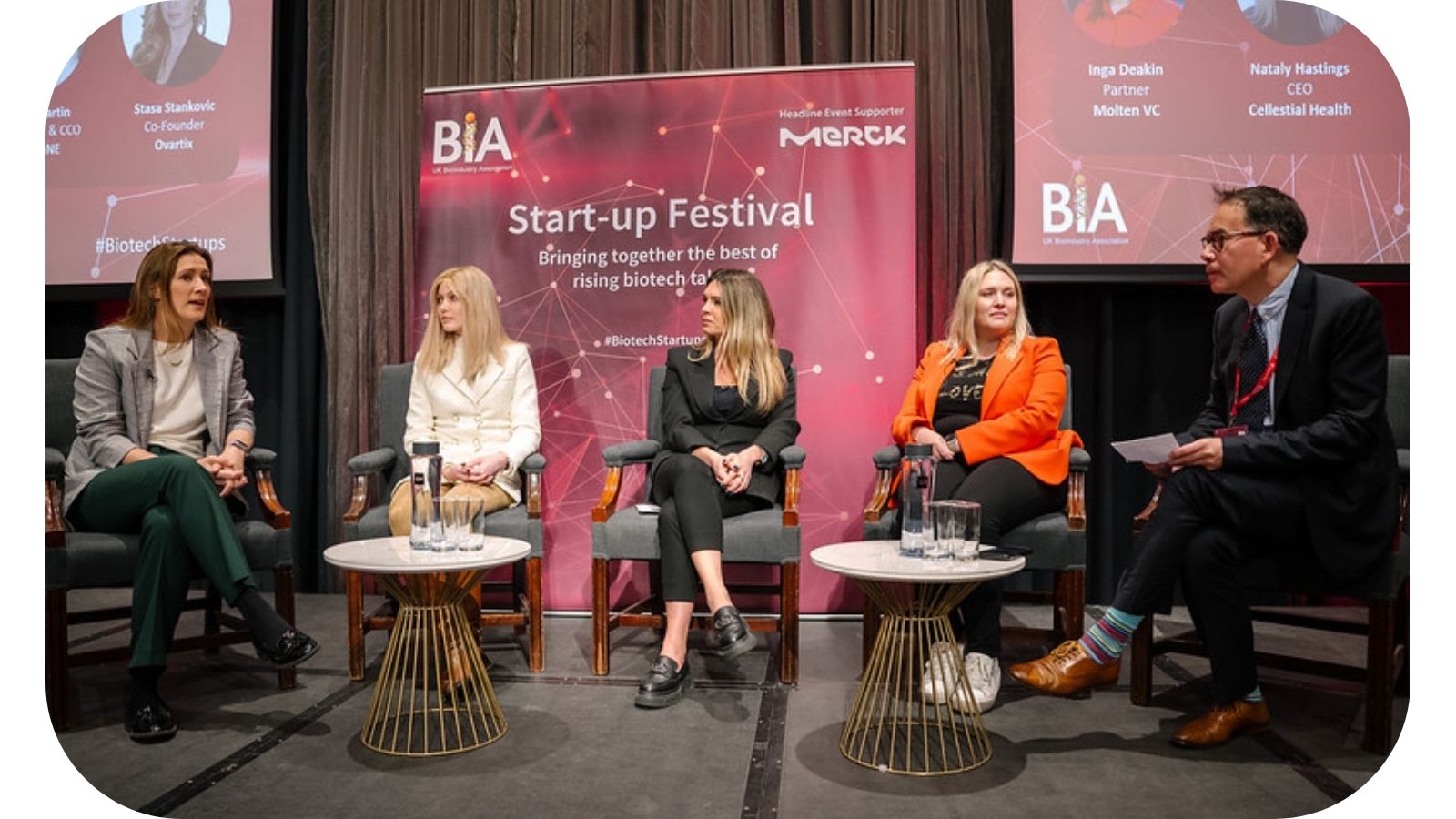
How can start-ups take advantage of 2026's green shoots?
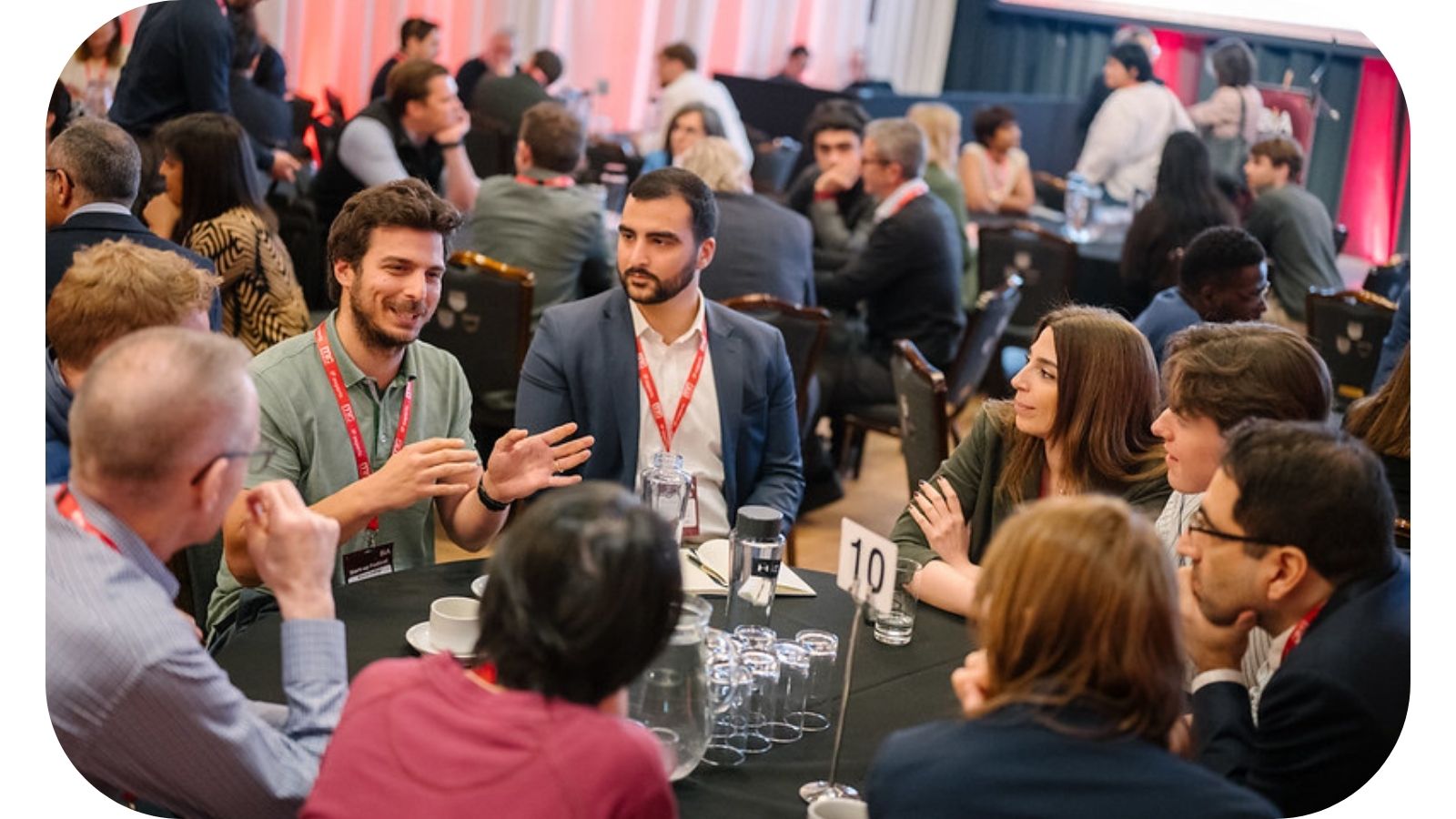
L-R: Inga Deakin, Natalie Hastings, Stasa Stankovic, Abigail Martin and Jonathan Kwok
Expert roundtables
Clearer stories, stronger pitches
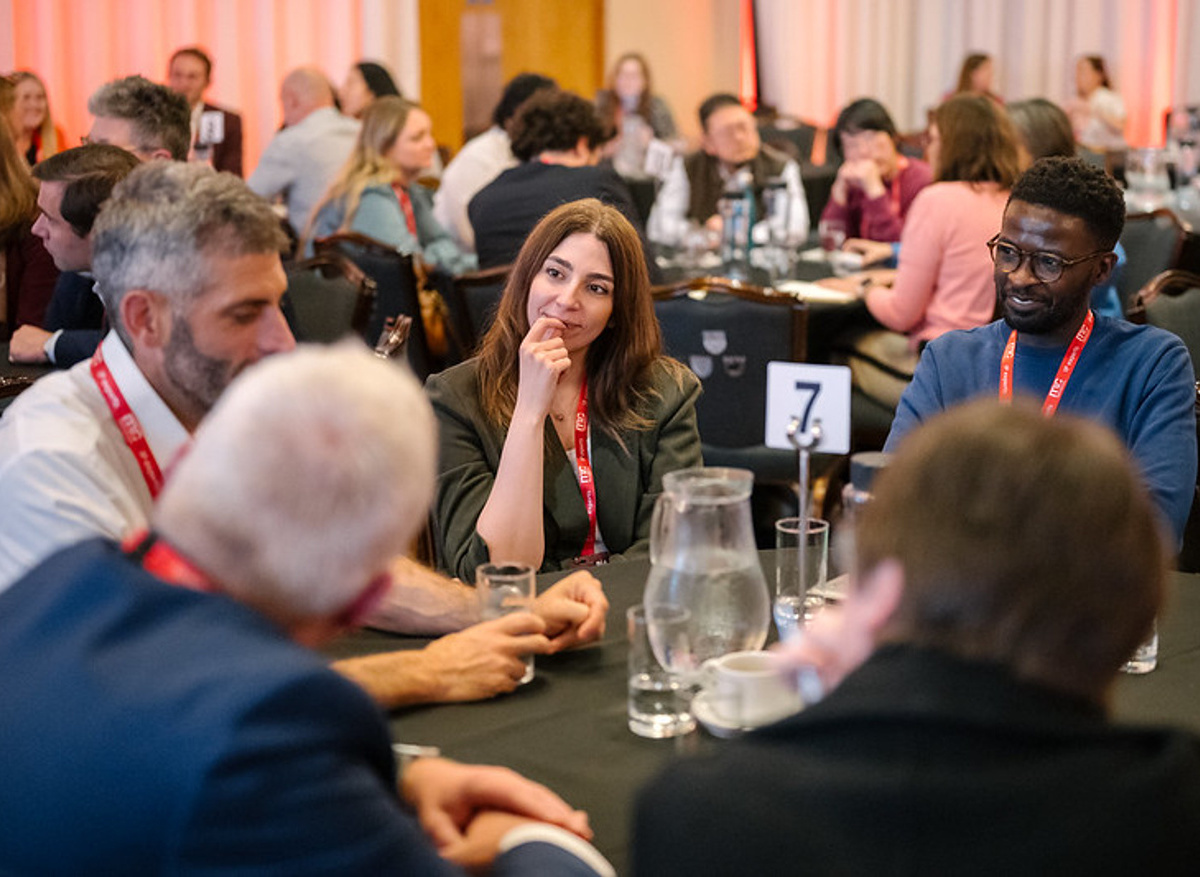
Across both the expert and investor roundtables, the message was consistent: founders need to tell simpler, sharper stories. Investors including Inga Deakin, Jonathan Tobin, Oliver Lyth, Prashant Shah, Filippo Dal Ben, Chloe Zhang, Sally Epstein, Jerry Wu and Oliver Sexton discussed milestones, due diligence, team strength and investor fit. The strongest companies, the sessions suggested, are the ones that show exactly what the next raise will unlock and why that milestone matters.
Collaboration as strategy
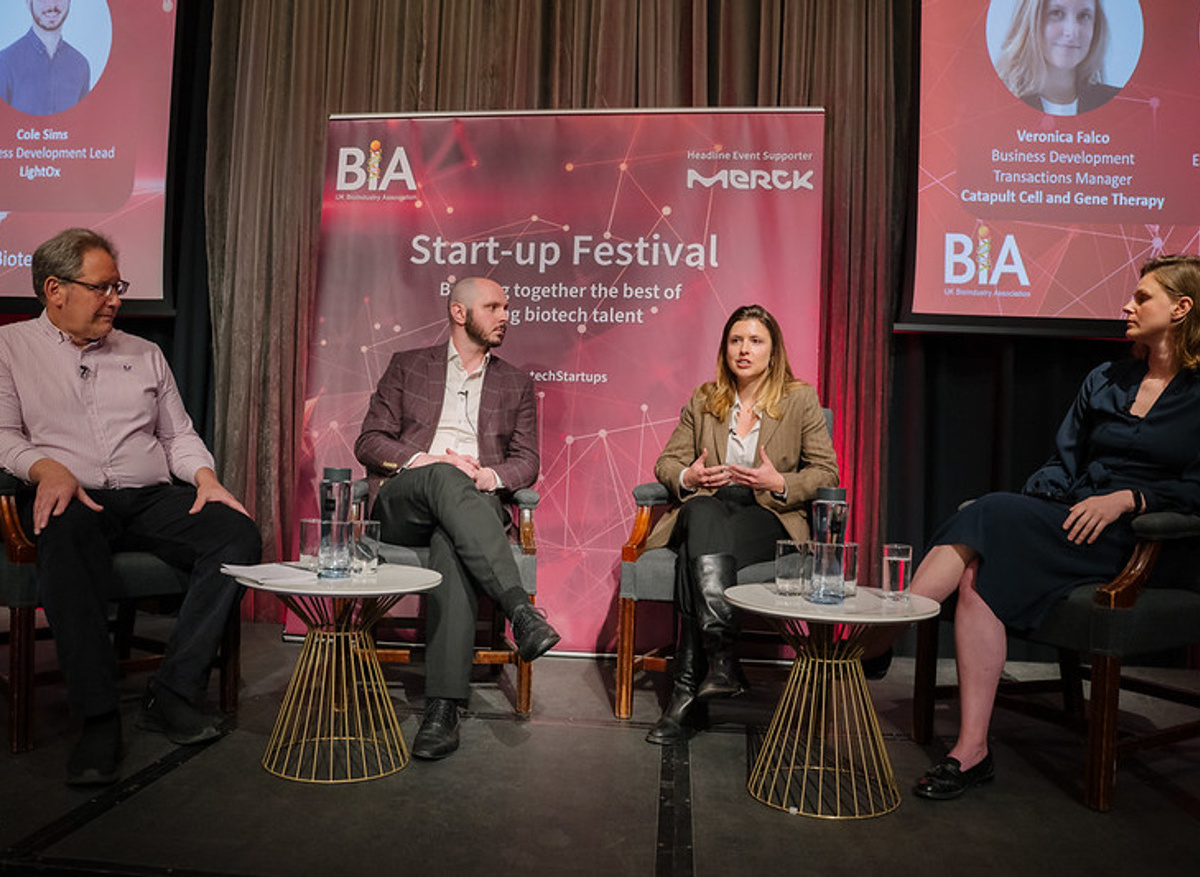
The collaborations panel, featuring Cole Sims, Julian Hanak, Veronica Falco and Lea Sefer, focused on how start-ups can extend capability through the right partnerships. Speakers described collaborations as a way to share resources, build evidence, access expertise and open commercial opportunities.
One of the clearest takeaways was that partnerships work best when founders understand both what they need and what they can offer in return.
One speaker noted “the biggest value for collaborations and partnerships is really to be able to share resources,” while another added, “I think it’s never too early to start.”
Evidently, collaboration is not a nice-to-have for start-ups, but fundamental to building credibility and momentum.
How to establish effective and impactful collaborations
Masterclass: Successes and setbacks in managing IP
Investor roundtables
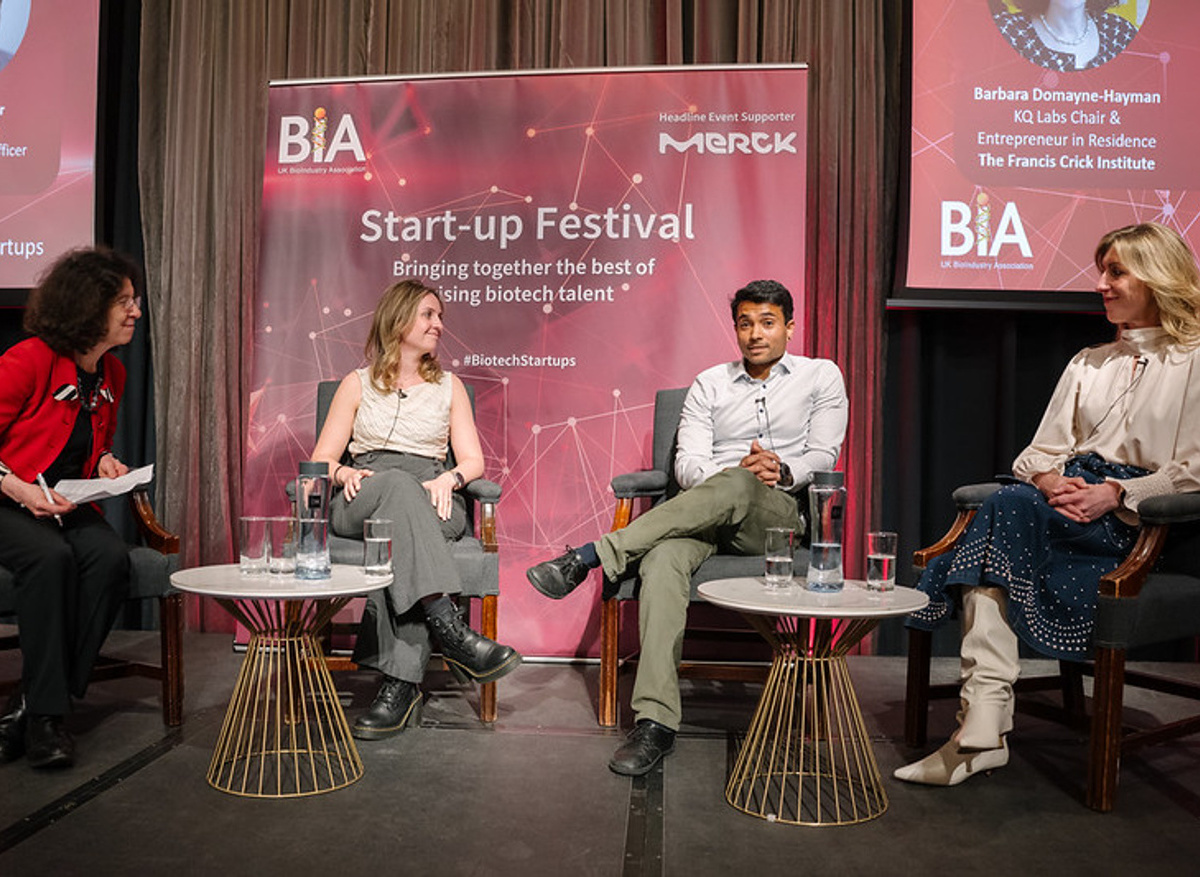
Developing as a leader alongside your company
IP matters early
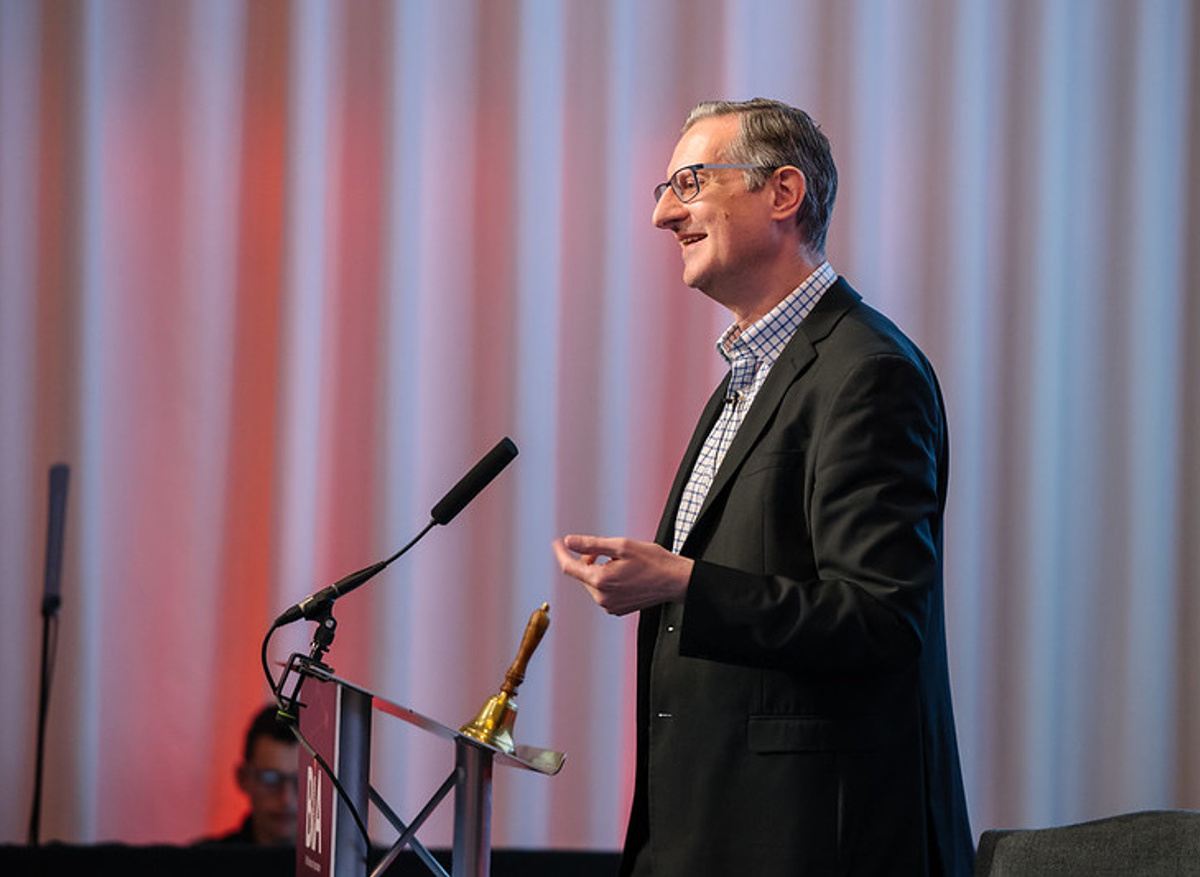
In his IP masterclass, Ed Rainsford, Senior Associate at Appleyard Lees, underlined how important it is to recognise protectable assets early, avoid accidental disclosure and get ownership right in collaborative settings. For early-stage companies, IP was presented not as a legal box-tick but as a core part of company value and fundraising readiness.
A particularly memorable warning was that ownership is “one of the easiest things to get wrong and one of the hardest things to fix.”
Leadership and culture
The leadership panel brought together Rosie Rodriguez, Lydia Mapstone, Tarun Vemulkar and Barbara Domayne-Hayman to discuss how founders evolve as their companies grow. The conversation covered hiring, mission, culture and communication, with a strong emphasis on putting values and routines in place early rather than waiting until a company is much larger.
One speaker described mission as “one of your biggest assets when you’re starting up”, while another stressed the value of transparency by sharing cash flow and financials with the team. The panel also touched on the challenge of leading interdisciplinary businesses, where leaders need to create a common language across biology, engineering, AI and commercial teams.
A closing note of optimism
In the closing keynote, Jack O’Meara said:
Now is the best time ever to build a biotech company.
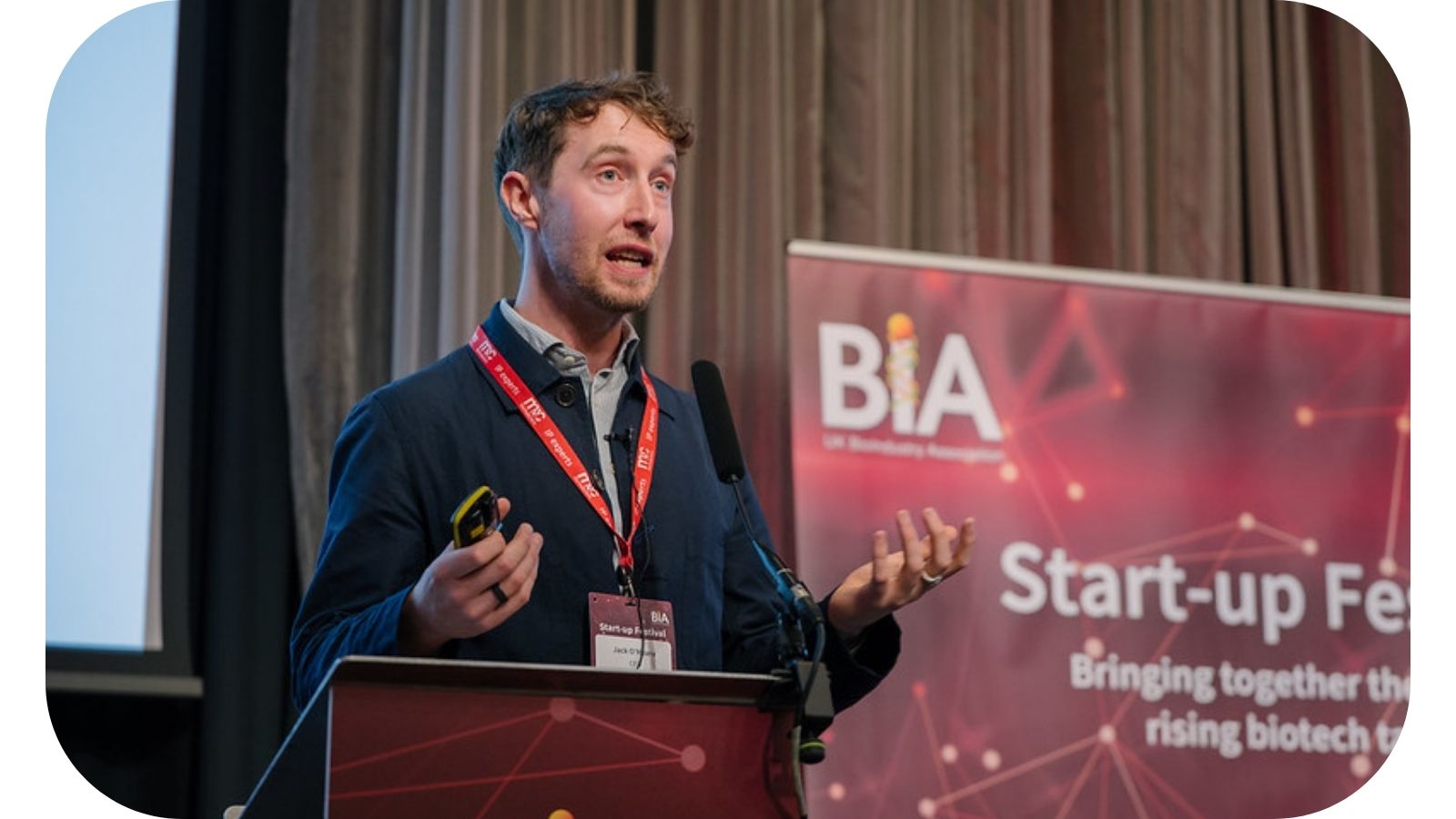
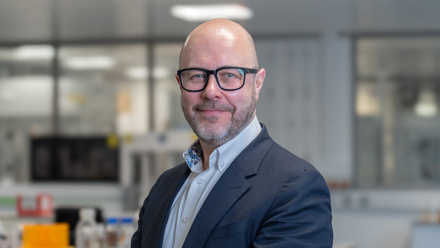
Jack O'Meara, CEO of Aerska
His argument was that founders now have better access to tools, information and talent than earlier generations did, even if the market remains challenging.
He encouraged founders to “listen humbly, decide yourself” and reminded the audience that “There really isn’t any template for biotech.” It was an apt conclusion to a day that offered no shortcuts, but plenty of practical advice for founders trying to build through uncertainty.