In this edition:
- An update on our influence activity in March - including engagement with the new Regulatory Innovation Office, meetings with key Parliamentarians and progress on the Mansion House Accord.
- Spotlight: How the BIA is building a supportive ecosystem for biosolutions SMEs - exploring our work to unlock regulatory pathways and secure critical scale-up infrastructure for engineering biology.
- Policy team picks: a retrospective on UK competitiveness, Innovate UK’s new strategy and the latest insights into AI, copyright and Westminster’s 2026 media habits.
- What’s coming up across BIA Policy and Public Affairs

Maddy Anderson, Senior Policy and Public Affairs Executive, and Maddie Cass, Policy and Public Affairs Manager.
Engagement with Government and Parliament
Springtime in Westminster means a pre-recess scramble before attention pivots to May’s local and devolved elections, and all legislation must pass or fall before the Kings Speech, also in May.
In the past month, BIA has engaged with government and parliament on the legislative and funding mechanics that underpin the Life Sciences Sector Plan, including the commercial environment, pensions reform and data access. Ongoing uncertainty on R&D grant funding and AI and copyright adds to a fluid policy landscape in which BIA is representing our members’ interests.
In this issue, we highlight our impact across these agendas and take a deeper dive into our work shaping the policy environment for biosolutions SMEs.
In case you missed it, last month we:
- became part of a new Government and industry joint taskforce to drive improvements in the UK’s commercial environment for medicines as part of the US-UK pharmaceutical partnership. BIA is contributing directly through the oversight group, and facilitating member input via workshops and sector surveys
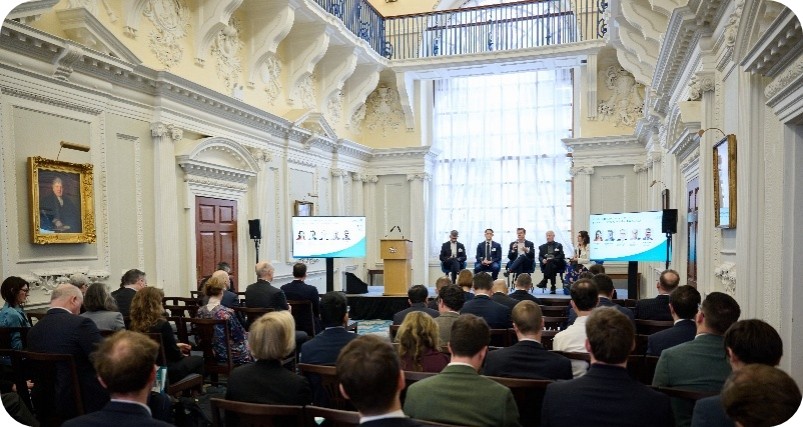
- worked with UK Private Capital and the City of London Corporation to deliver the first meeting of pension funds and life science venture capital funds and companies to explore how to deliver the Mansion House Accord commitments. We also wrote to Pensions Minister Torsten Bell MP urging the government to maintain pressure on the pensions industry to invest into venture capital


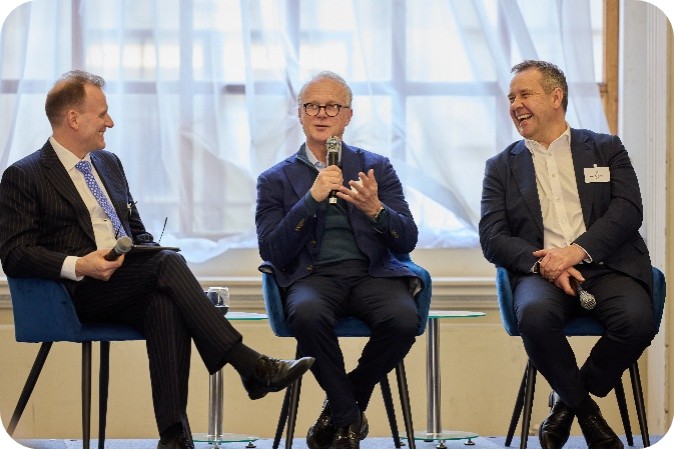
- strengthened our role in shaping the UK’s health data agenda by engaging directly with new HDRS CEO Melanie Ivarsson and feeding in SME perspectives on unlocking data for research and innovation
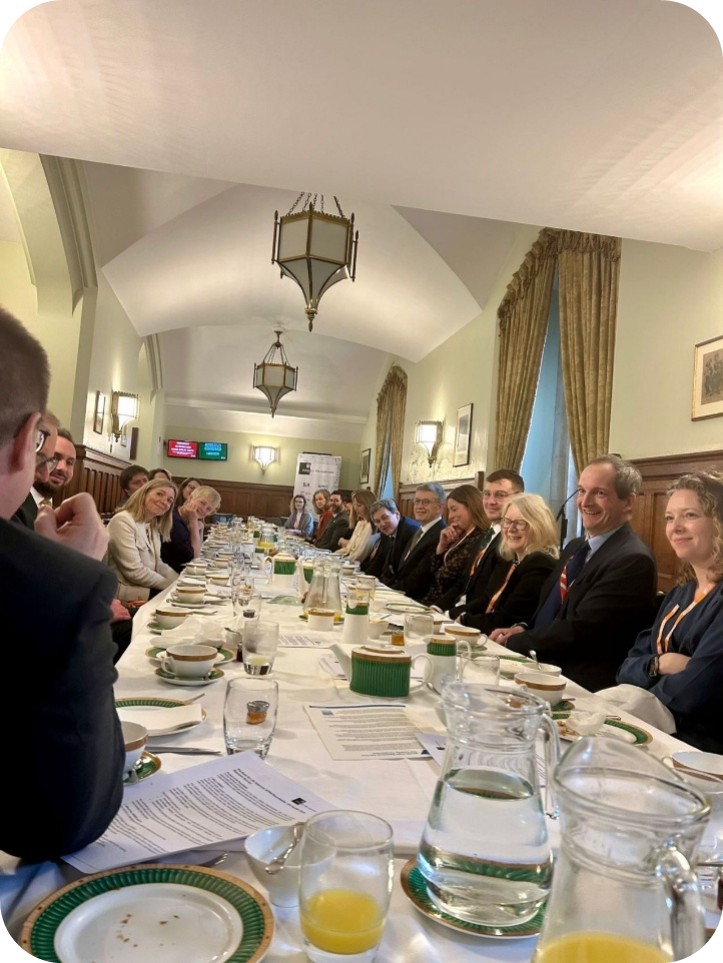
- joined parliamentarians and sector leaders including member companies Brainomix and PrecisionLife in the House of Commons for an APPG for Life Sciences breakfast meeting on the Health Data Research Service

- met with the Innovate UK CEO, Tom Adeyoola, to discuss the funding agency’s new strategy
- convened a roundtable and BIA member laboratory tours at the Cambridge Science Park with Charlotte Cane, MP for Ely and East Cambridge
- met with Helen Morgan MP, the Liberal Democrat spokesperson for Health and Social Care, to discuss the sector’s priorities
- put BIA priorities on the parliamentary record by working with Lord Kamall to table written questions to Government - pressing on orphan drug access, newborn genomic screening and timelines for faster patient access to medicines
- responded to the Government’s pandemic preparedness work, ensuring our members expertise informs how the UK prepares for future health threats
- amplified industry voice in the UK–EU reset debate by co-signing a letter to Cabinet on sustainable protein regulation
- helped inform MPs about rare diseases through the Parliamentary Office of Science and Technology (POST), who referenced BIA’s report in their new briefing on diagnosis and treatment of rare genetic conditions.
Spotlight: How the BIA is building a supportive ecosystem for biosolutions SMEs
BIA has a strong track record representing the UK life sciences and biotech sector and has evolved alongside the industry. Over the past decade, innovation in engineering biology has accelerated, and we have increasingly become the home for companies applying these technologies beyond healthcare.
These ‘biosolutions’ use biotechnology to tackle pressing challenges such as food security, unrecyclable waste and environmental pollution. To support this growing sector, BIA has spent the past three years building its BioSolutions programme. Spearheaded by Linda Bedenik and Maddie Cass, the programme is now delivering policy influence, stronger connections between industry and regulators, and a growing international presence for UK biosolutions companies.
More informed regulators and clearer routes to market
Regulation remains one of the biggest barriers for biosolutions SMEs. Existing frameworks were designed around incumbent technologies, making it difficult for first-of-a-kind innovations to reach the market. What regulations apply to these innovative products is either not clear or not fit for purpose.
Over the past year, we have worked closely with the Regulatory Innovation Office (RIO) to bring regulators and innovators together. RIO was setup by the new Labour Government in 2024 to convene regulators, and is chaired by Lord Willetts, a former BIA Board member and close ally. By highlighting the challenges faced by our members across applications from novel foods to chemicals and fuels, we have established a clear position on the need for more navigable and proportionate regulatory pathways.
This engagement has allowed members to access early regulatory advice tailored to their innovations, while helping regulators identify where guidance could be improved to support biosolutions companies. Our proposal to develop regulatory maps is now being taken forward by RIO and partners, reflecting growing recognition within government of the need to provide SMEs with clearer, more navigable routes to market. We will continue to work with RIO to make these tools a reality and support the development of a globally competitive regulatory framework in the UK.
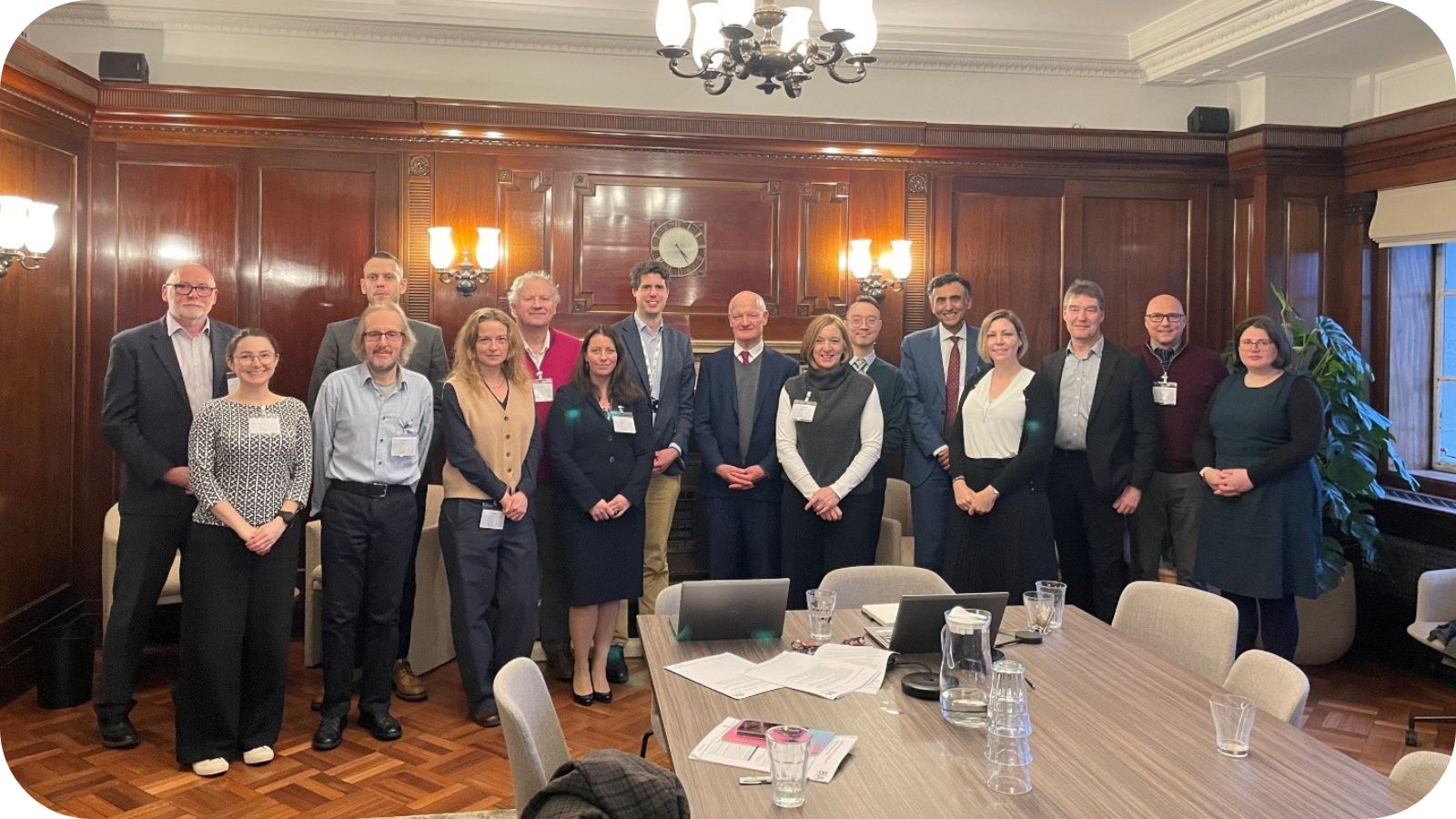
Roundtable unpicking the impact of the Genetically Modified Organism regulations on engineering biology innovation. Representatives from the Health and Safety Executive, the Department for Environment, Food, Rural Affairs (Defra), MHRA, the Regulatory Innovation Office, the Devolved Nations and four engineering biology SMEs were present.
Government funding for scale-up infrastructure secured
Access to scale-up infrastructure remains a critical barrier for biosolutions SMEs. Without affordable and accessible facilities, companies are often forced to look overseas, slowing UK innovation and economic growth.
BIA has consistently advocated for targeted government intervention, drawing on input from members to highlight gaps in the availability, affordability and accessibility of key facilities. We engaged closely with the Department for Science, Innovation and Technology (DSIT) during the development of the Industrial Strategy and Digital and Technologies Sector Plan to ensure these challenges were understood.
This work has translated into tangible policy outcomes. The £184 million Engineering Biology Scale-up Infrastructure Programme reflects priorities we have long advocated for, including improving SME access and coordination of existing infrastructure across the UK. We will continue to work with Government as the programme is implemented to ensure that funding is deployed in a way that meets the needs of our biosolutions members.
On the horizon: protecting UK regulatory flexibility and shaping future responsible innovation rules
As the UK and EU explore closer economic and regulatory ties with a Sanitary and Phytosanitary agreement, there is a risk that closer alignment could limit the UK’s ability to maintain its pro-innovation regulatory approach. BIA has engaged across government to ensure that recent progress, including the Precision Breeding Act, is protected. Our recommendation for a carve out from alignment to EU rules for innovative biotechnology, was reflected in the EFRA Committee’s Animal and Plant Health Inquiry report, steering Government as negotiations with the EU unfold.
Alongside this, DSIT are exploring new legislation to mandating that synthetic nucleic acids providers screen sequences and customers. While most providers already screen voluntarily, formalised requirements could create unintended barriers for UK SMEs if not designed proportionately or aligned internationally. BIA is working to ensure that the SME perspective is reflected as these proposals develop, through our member’s role on the Government’s Responsible Innovation Advisory Panel and direct engagement with policymakers and international partners. We have highlighted the need for proportionate, internationally aligned approaches that manage risk without constraining innovation.

What’s next for BioSolutions
This work has led to thelaunch of BioSolutions UK, our new flagship conference, alongside a dedicated new website and LinkedIn channel to support the growing biosolutions community.
This expanded platform will strengthen engagement, visibility and influence across policy, regulation and industry networks. We will continue to build this work, with a focus on ensuring that the UK remains a competitive and supportive environment for biosolutions innovation.This month's picks from the Policy and Public Affairs team
- From the Office for Life Sciences Exec Chair Steve Bates: a candid Q1 update on turning the Life Sciences Sector Plan into delivery. OLS have also published their annual competitiveness indicators: a retrospective view of the UK’s performance across research, clinical trials, investment, manufacturing and skills.
- Innovate UK’s new strategy: turning breakthrough ideas into industry giants
- ‘Beyond the Capital Gap’ - a report from Pioneer Group and The Crown Estate which argues that weak venture-building support, shortages of lab space, and persistent talent gaps risk “unlocking capital into a system ill-equipped to absorb it.”
- This latest insight piece from colleagues at Stevens & Bolton LLP highlights what the Government’s position on AI and copyright means for the life sciences sector.
- From the Centre for British Progress: ideas to build out the UK’s AI for Science strategy, including new missions in pathogen detection, environmental forecasting and metascience, and a proposal for how UKRI can incentivise publication negative and unpublished results.
- A mini podcast series from Isabel Hardman, ‘What Do Our Politicians Need to Know Now?’, which explores whether MPs and decisionmakers are well equipped for the technological complexity ahead.
- This report on Westminster’s media habits in 2026 which found that social media has overtaken every other channel as MPs' primary source of news.
Coming up across BIA Policy and Public Affairs
Have your say on NHS innovation: The House of Lords Science and Technology Committee has launched a major inquiry into personalised medicine and AI - tackling why cutting-edge UK science so often fails to reach patients. This is a useful opportunity to influence thinking on regulation, adoption, data and the UK’s innovation ecosystem. We encourage interested members to submit evidence by 20 April, and you can follow progress on the inquiry here.
Join the BIA Skills Community for an in-person event in London to discuss the forthcoming Life Sciences Jobs Plan and what it means for the sector. Bringing together SMEs, industry leaders and policy representatives, the session will explore current challenges in the skills and talent pipeline and provide an opportunity for members to share insights on how the UK life sciences workforce can be strengthened.
Upcoming community connects events


Free
Member-only
Come back next month when the policy spotlight will be on manufacturing!