London Life Sciences Week 2026 day one: AI, data and global connections
London Life Sciences Week (LLSW) 2026 brings the international life sciences community to the capital from 15 November
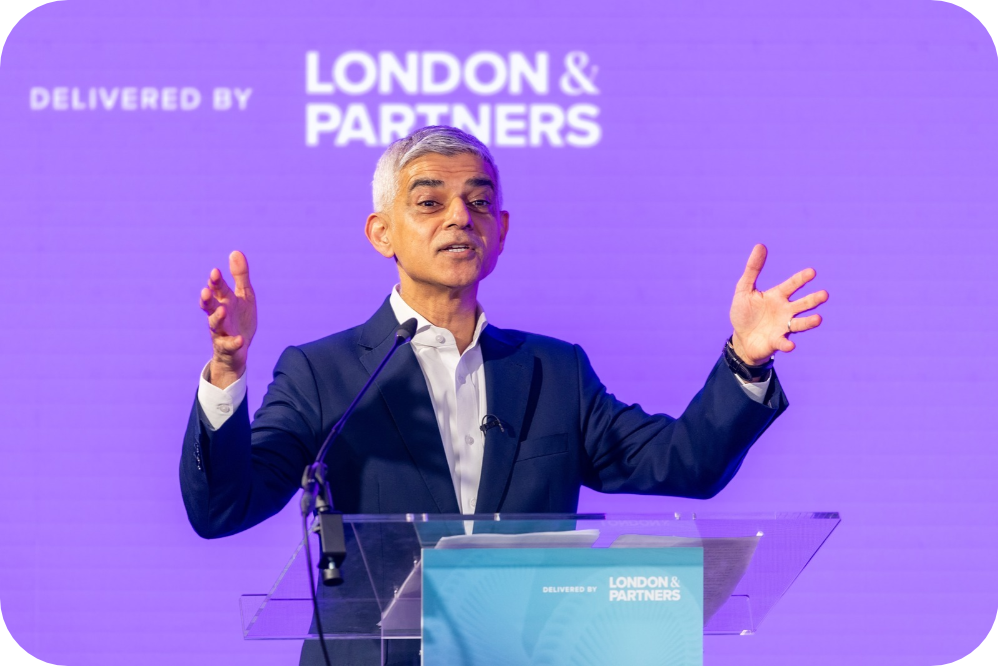
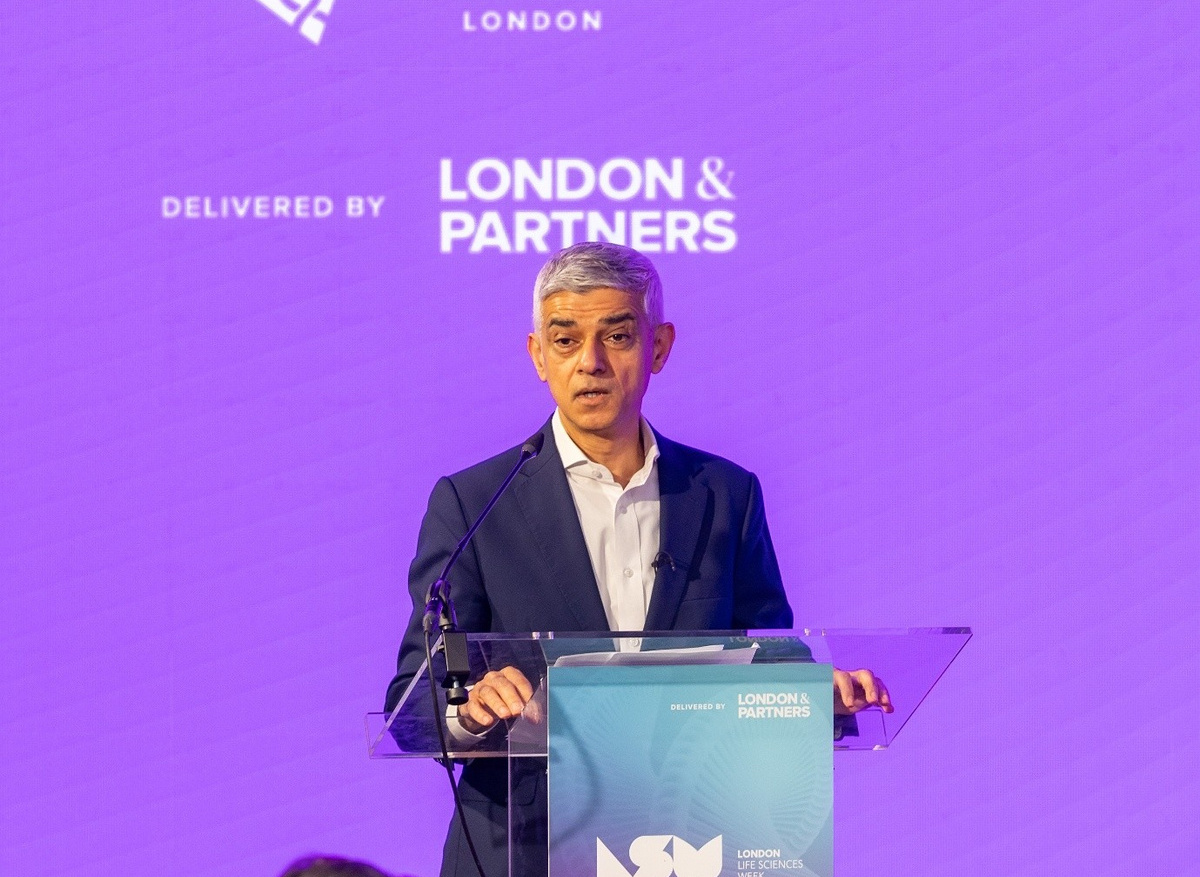
London Mayor Sadiq Kahn speaking at London Life Sciences Week 2026
More than 5,000 industry leaders, innovators and investors are expected in London across the week. For a founder arriving in London, a week like this can hold the conversation that changes a company: an investor who understands the science, or an introduction to a research partner. That is what the week is built around.
Sunday: welcoming the global community
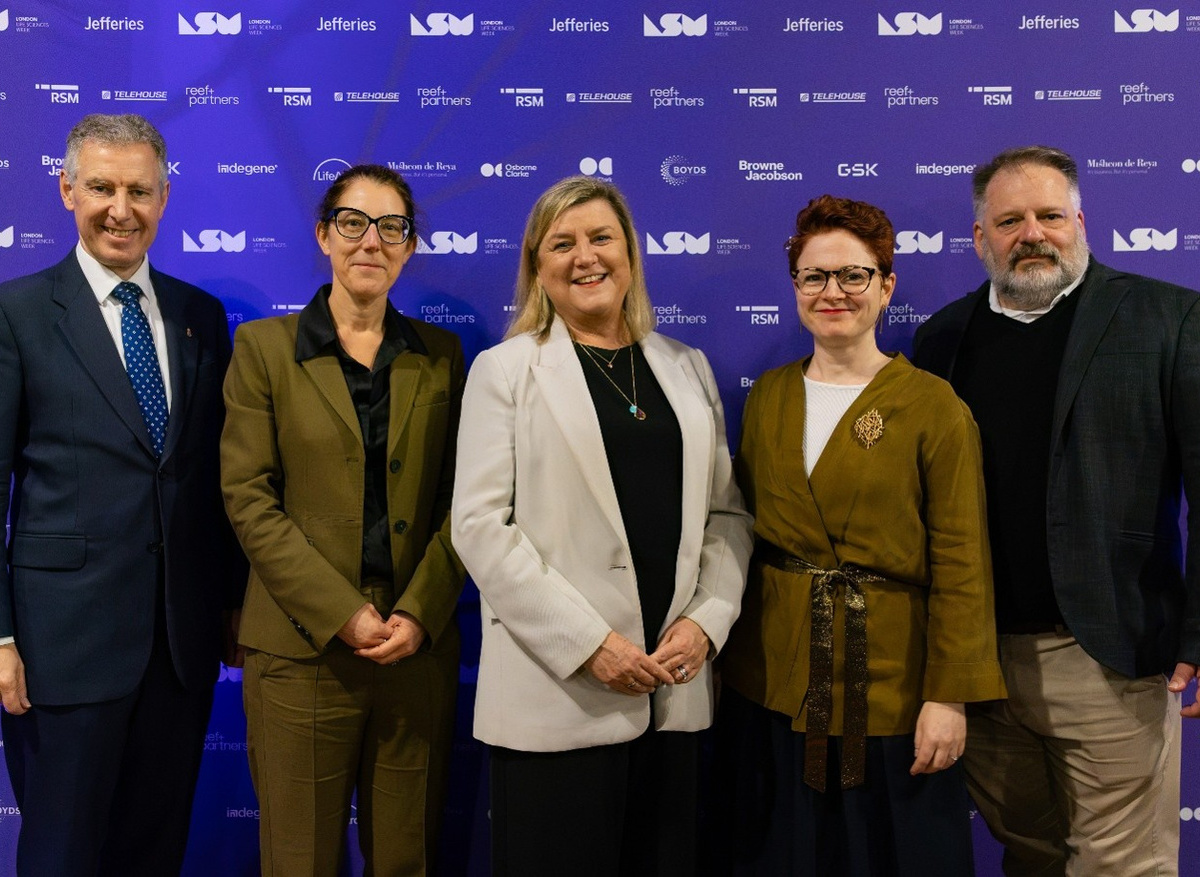
London Life Sciences Week Sunday
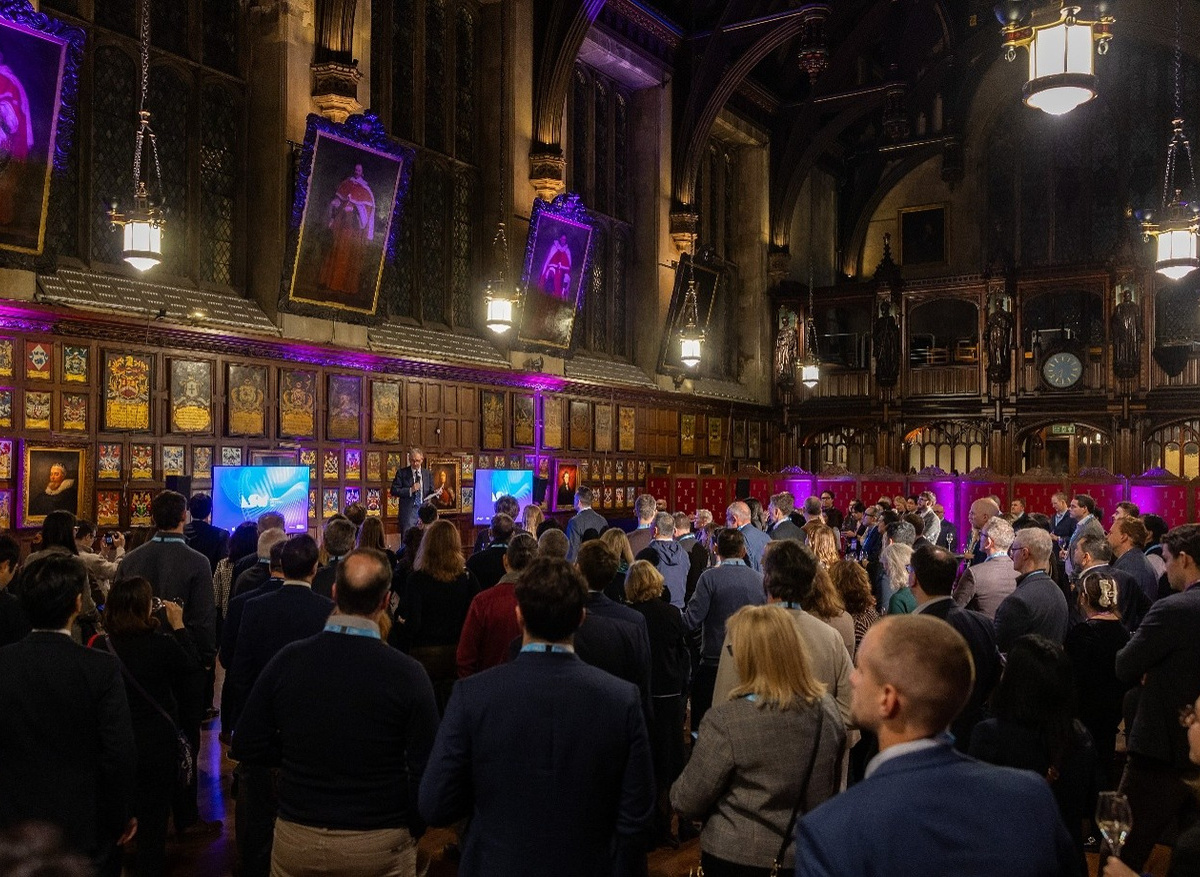
London Life Sciences Week Sunday
London Life Sciences Week Sunday
London Life Sciences Week Sunday 4
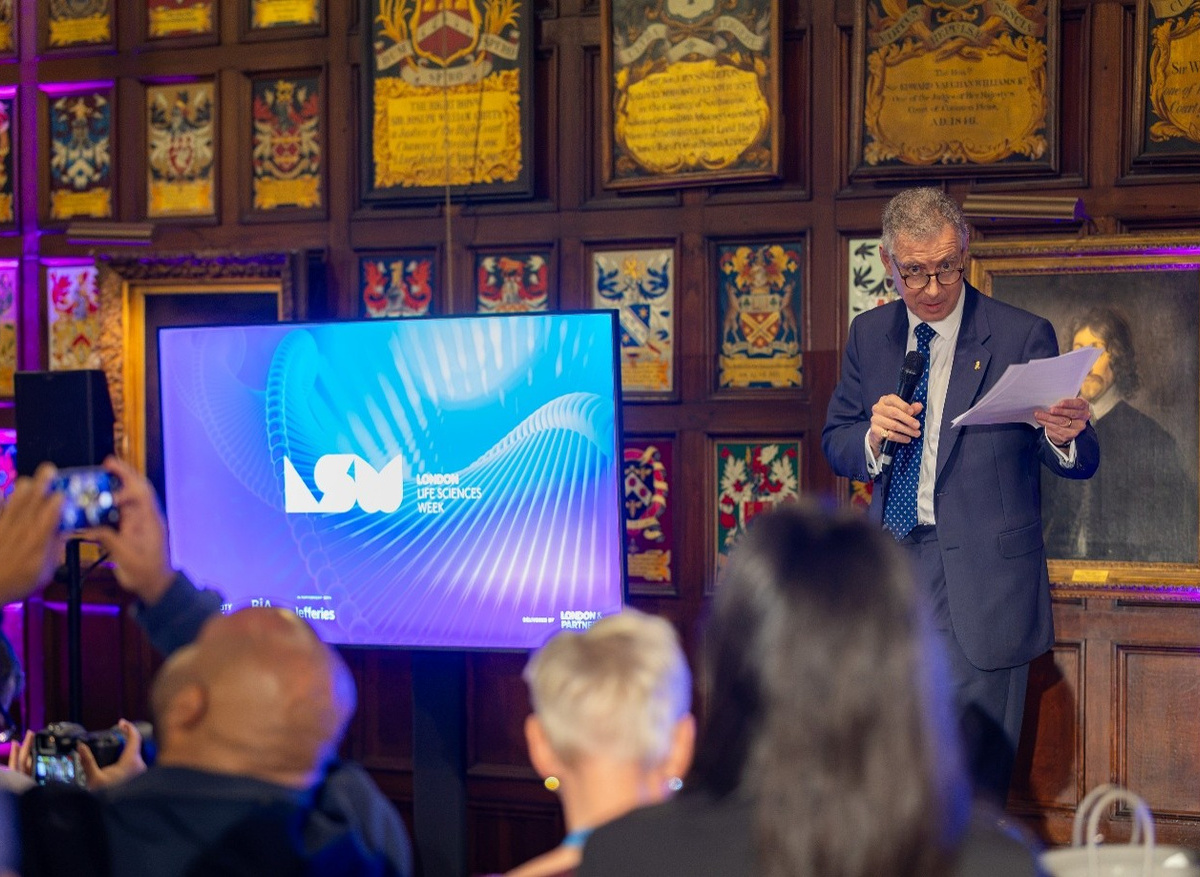
The week opened at Lincoln's Inn with the Welcome to London Reception, hosted by MedCity, London & Partners and the BioIndustry Association (BIA).
Chris Molloy, our chief executive, told guests that one of the UK’s natural advantages is “our willingness to collaborate, not just with one another, but with global talent, and through global trade”. Across all four nations, he said, the sector is “a United Kingdom of life sciences”.
Monday morning: the frontiers of UK life sciences
London Life Sciences Week Monday
London Life Sciences Week Monday
London Life Sciences Week Monday
London Life Sciences Week Monday
London Life Sciences Week Monday
London Life Sciences Week Monday
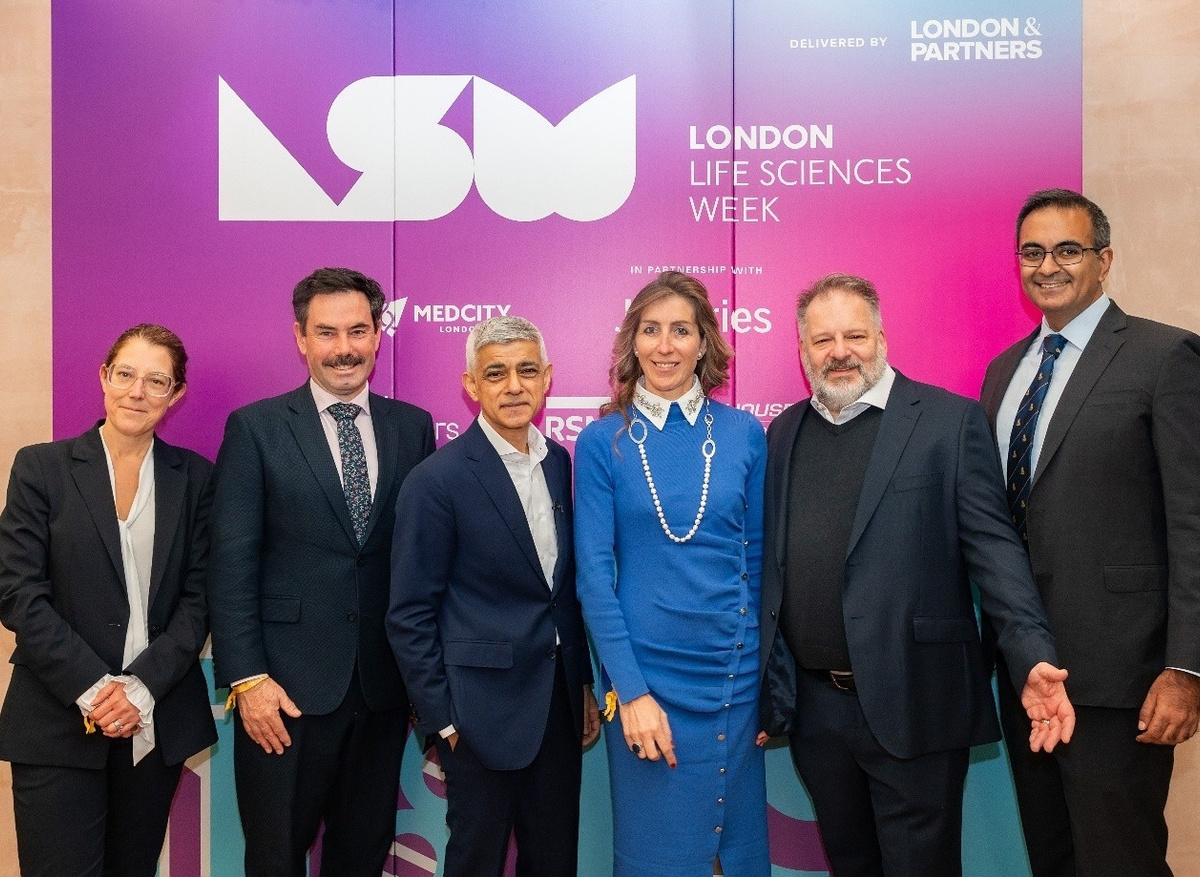
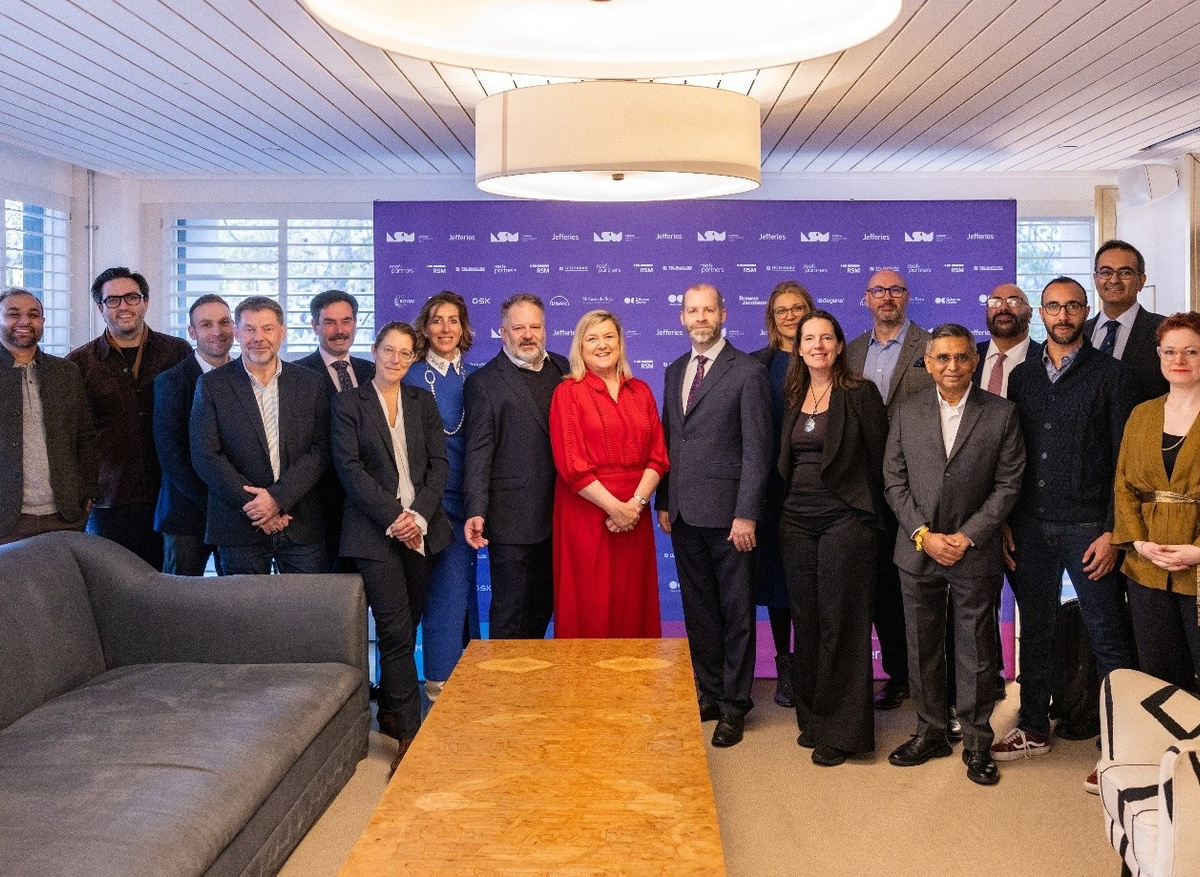
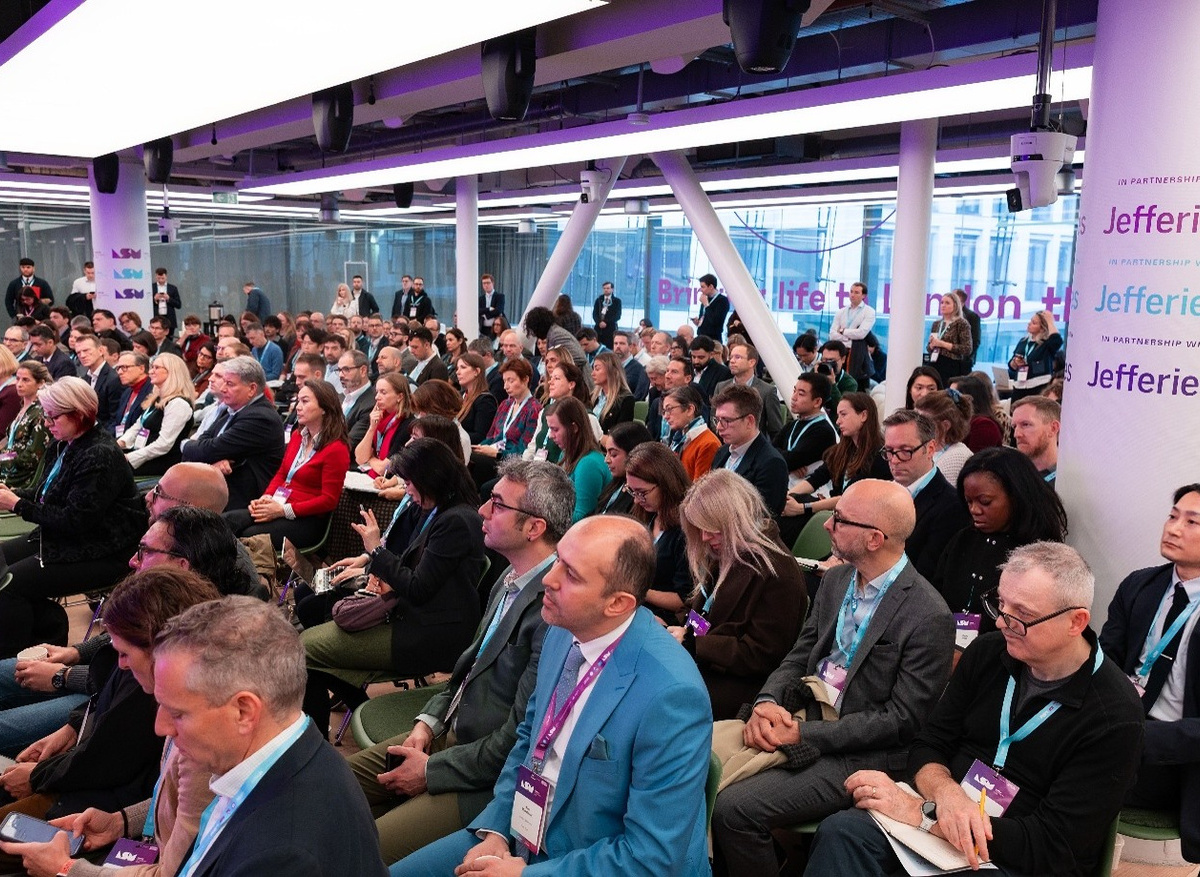
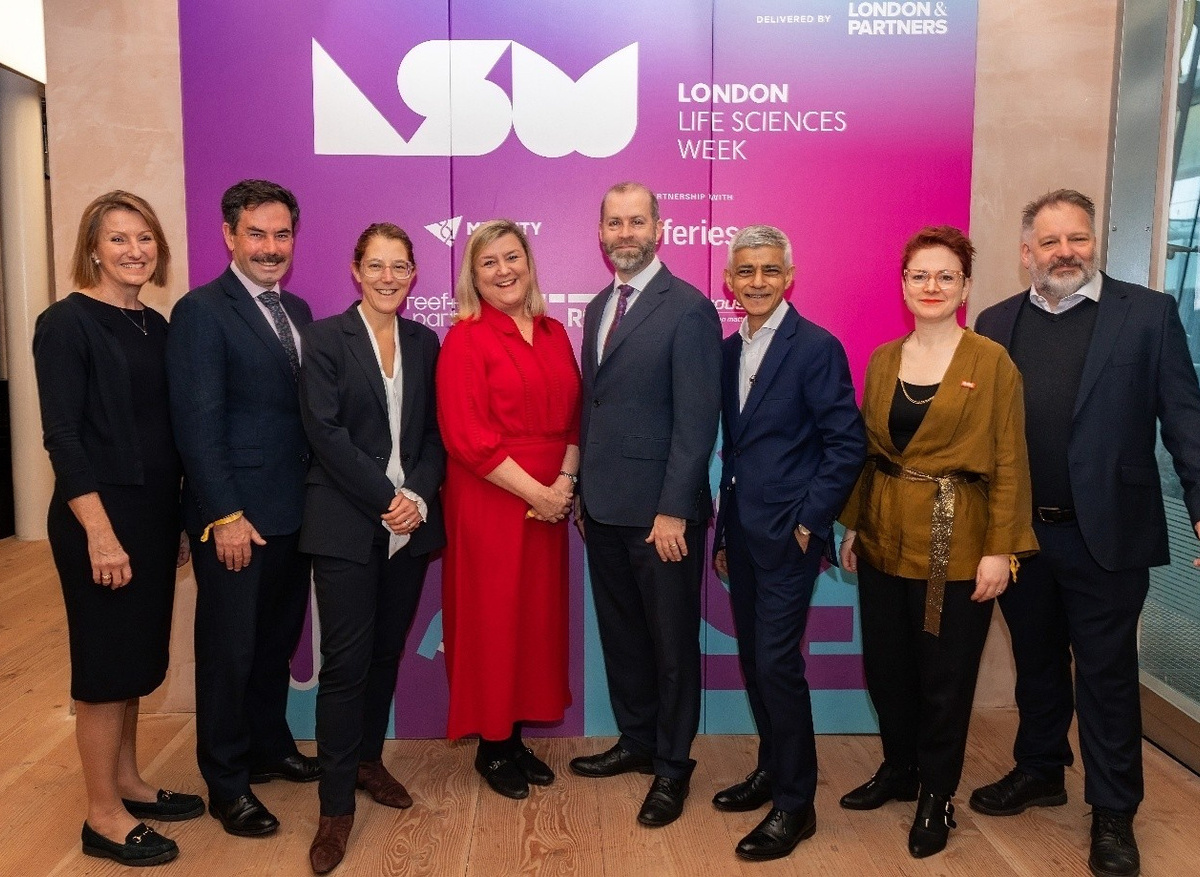
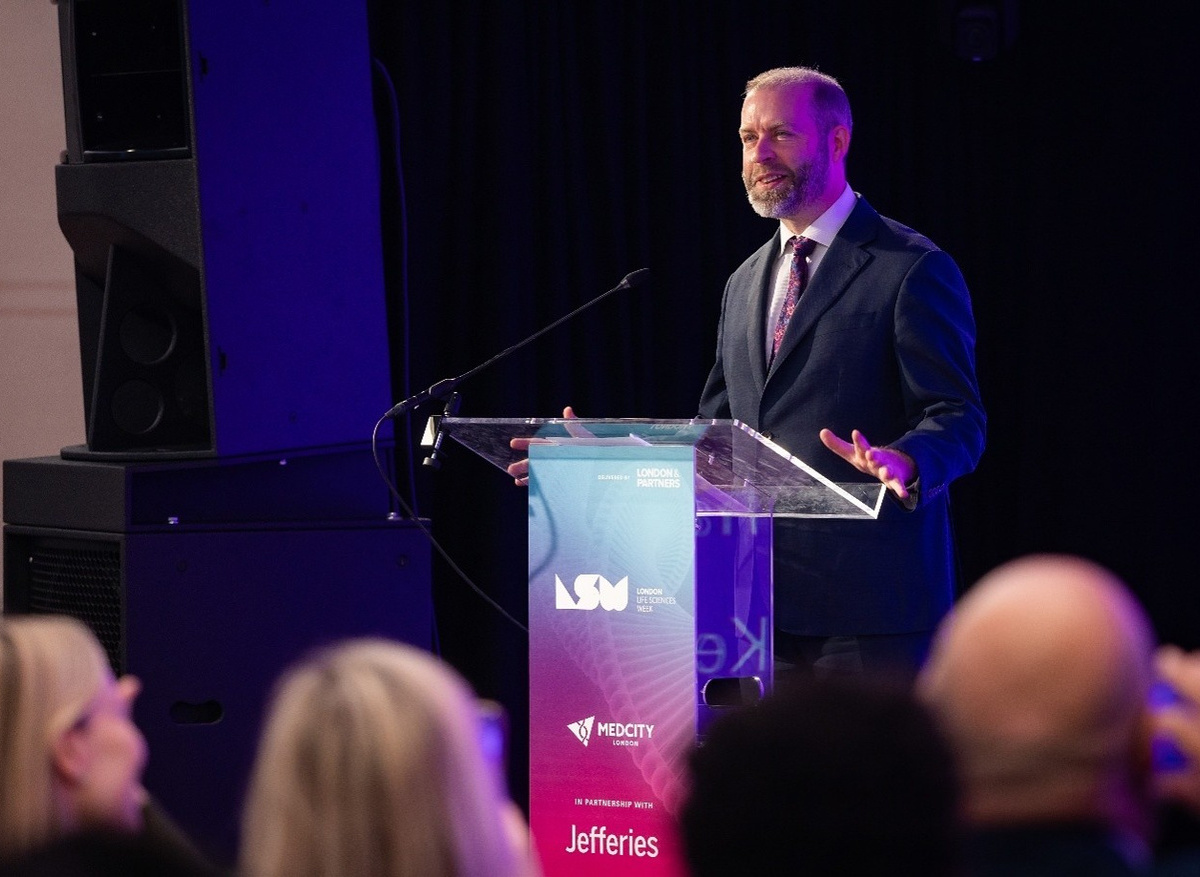
The Frontiers of Life Sciences programme at 180 Studios, hosted by BBC News presenter Samantha Simmonds, opened with Jonathan Reynolds MP, Secretary of State for Business, Innovation, Science and Trade, on London as Europe's frontier innovation capital, followed by the Mayor of London, Sir Sadiq Khan. Reynolds called life sciences “one of our greatest national assets, with the potential to be the driver of reindustrialisation in Britain”.
Reynolds spoke about clinical trials and announced £147 million of National Wealth Fund financing for One North Quay, a new life sciences and innovation development at Canary Wharf, as part of a £368.5 million financing package. In the announcement, Reynolds said: “The UK is a genuine world leader in life sciences, and One North Quay, backed by the National Wealth Fund, will bolster that reputation by providing state of the art lab space for businesses to create the medicines and medtech of the future.” He also described King's Cross as a global hub.
The Mayor announced £22 million from London's allocation of the Local Innovation Partnerships Fund for three projects, two on cardiometabolic disease and one on quantum technology. With more than £98 million in match funding, the projects have identified more than £120 million in combined investment.
Looking ahead to the week, Khan said: “Over the coming days, some of the world's best and brightest will be coming together, and I can't think of a better place for that to happen than in London.” He said he wants London to be the leading global city for life sciences. Laura Citron, CEO of London & Partners and chair of the Frontier Innovation Board, which chose the funding priorities, put the focus on London's hubs.In the Mayor's announcement she said that helping London's ideas succeed could “make life better for Londoners” and means “creating exciting careers, especially in new industries like quantum”.
Flagship Pioneering chose the week to announce its first company creation lab outside the US, in London, with an initial £100 million. The Mayor thanked the company for its investment, and Chris McDonald MP, Minister for Science, Innovation and Investment, welcomed the commitment.
Investment was also in focus. Gil Bar-Nahum, Head of Biotechnology, EMEA at Jefferies, which supports the week, looked at the capital, innovation and strategic opportunities shaping the sector.
Baroness Nicola Blackwood, chair of the Health Data Research Service (HDRS), spoke about genomics and health data. The UK's genomic resources and research cohorts, including UK Biobank, have been built over decades, and HDRS is meant to help researchers make more of them. The practical question is how a company gets access responsibly within the timeline of a development programme, and public trust has to stay central as the service takes shape.
The BIA view: the service is backed by up to £600 million, made up of £100 million from Wellcome and up to £500 million from the UK Government. New data is due from December 2026, on an iterative basis. The Government announcement has the plan.
Professor Dame Molly Stevens of the University of Oxford explained how smart materials are shaping biology, including the ambition to bring quantum sensing devices into the NHS by 2030. A panel on the AI revolution in drug discovery, with Dr Rosie Rodriguez of Relation and Dr Dave Hallett of Recursion, both drug discovery companies, moderated by Dr Junaid Bajwa of Flagship Pioneering, looked at how AI is speeding the journey from breakthrough research to real-world medicines. Both had asks of government. Rodriguez said companies need data, computing power and access to capital.
Hallett said computing power should be treated like a utility and democratised, and asked how public money can be brought to the UK. Sessions followed on regulating and investing in emerging technologies, with speakers from Innovate UK, the MHRA, Recode Ventures and RQ Biotechnology, and on the next operating model for biotech, with Indegene, Hansa Biopharma, the Office for Life Sciences and Eli Lilly.
The BIA view: world-class science underpins all of this. The UK has the top 3 universities globally in life sciences. It also produced 10.8% of the world's medical sciences citations in 2024, third behind only the USA and China, according to the government's Life Sciences Competitiveness Indicators 2026.
Regulation: the MHRA summit
Across town at Senate House, the DIA-MHRA Global Summit began its two days of discussion on how innovation reaches patients faster. Sir John Bell, chair of Our Future Health, gave a keynote on the next decade of medical product development.
The MHRA also launched its Women's Health Programme on Monday, to close gaps in the evidence on how medicines and medical devices work for women. Its analysis of 4,616 UK clinical trial applications from 2019 to 2023 found that pregnant women were represented in 1.1% of trials and breastfeeding women in 0.6%.
The Medicines and Healthcare products Regulatory Agency (MHRA) approved 921 medicinal products in 2025 to 2026, including 39 new medicines, and met every one of its target timelines, according to its annual report.
Monday afternoon: strengthening ties with East Asia
The Global Frontiers programme looked at the international relationships that help research cross borders. Dr Angela Kukula introduced it and John Edwards chaired the Rise of East Asia session. Professor Geraint Rees of UCL reflected on 200 years of the university and its international partnerships. City spotlights covered Shanghai, Singapore and Tokyo, and panels looked at new therapeutics companies entering the UK and European markets and at regulation and market access in East Asia.
A lunch for women in biotech
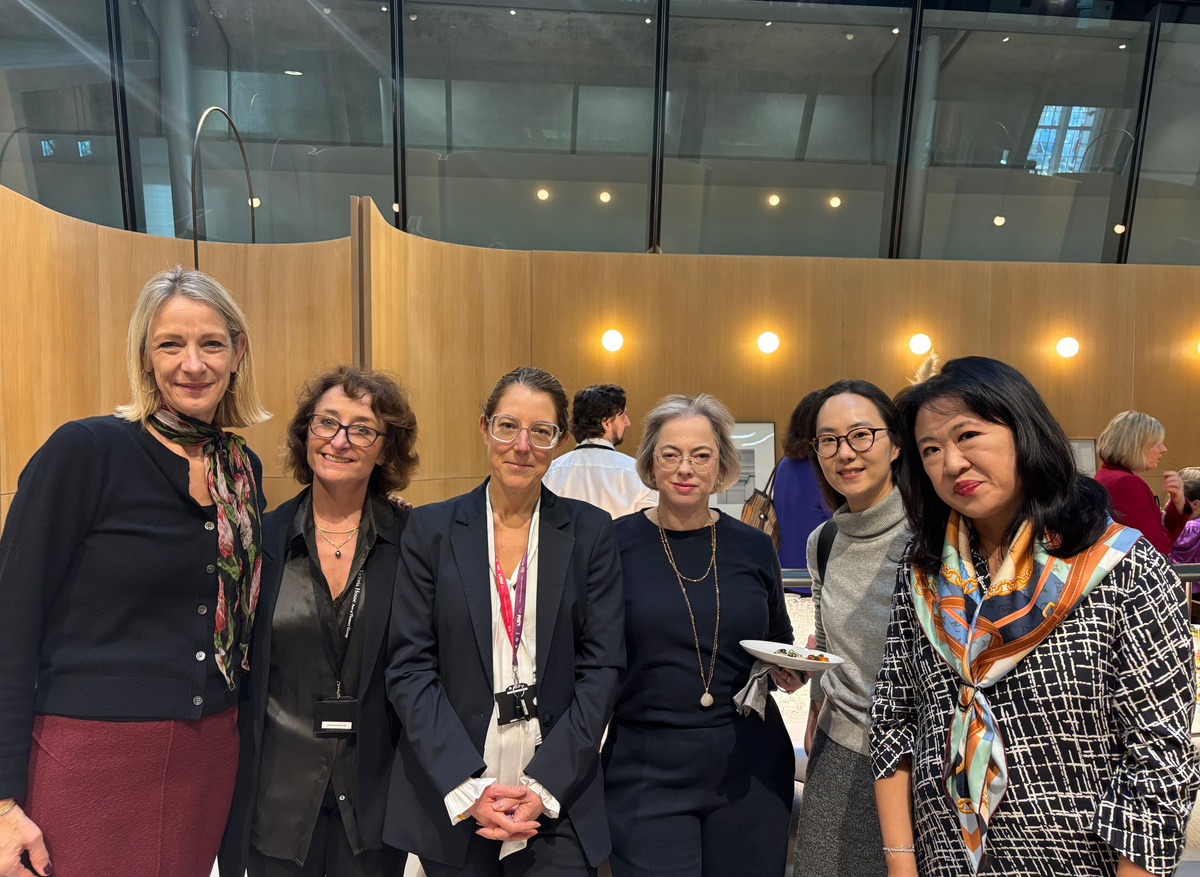
Swiss/UK Women in Biotech lunch
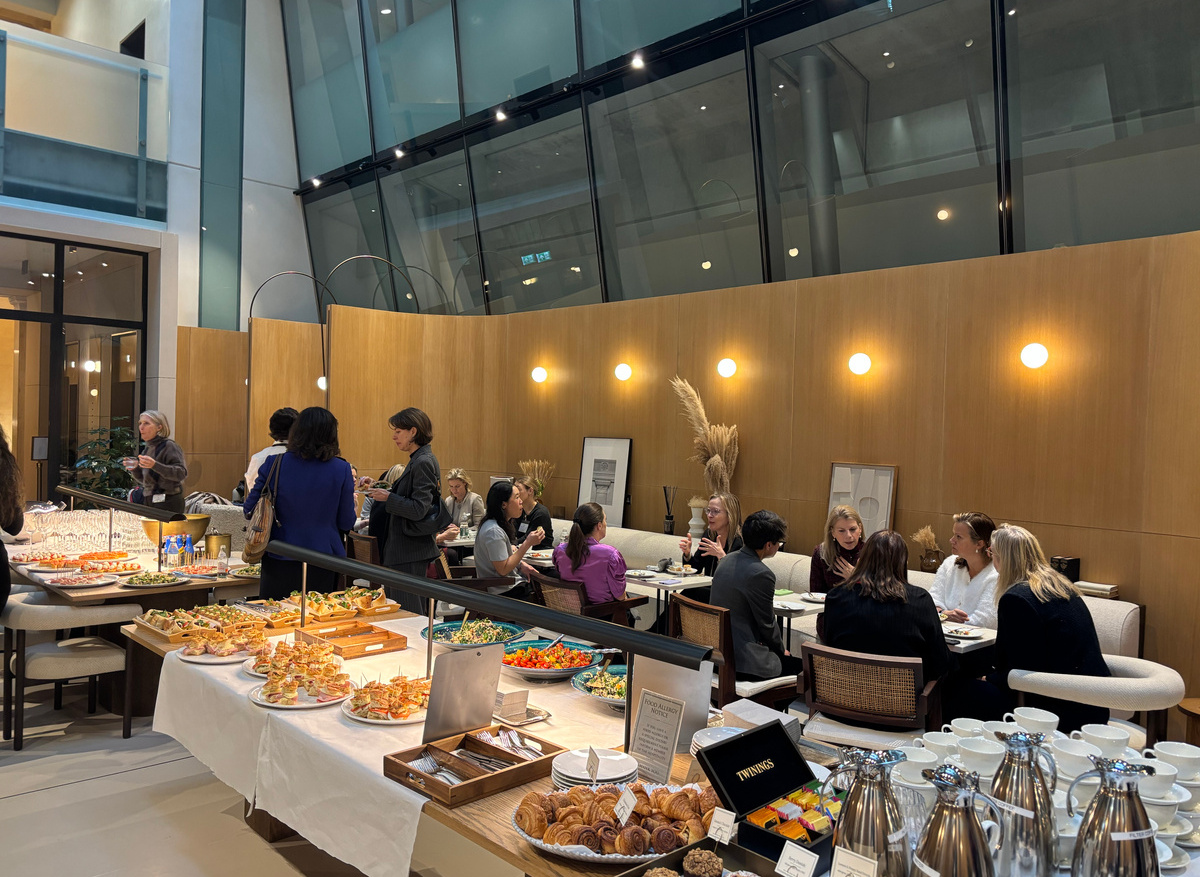
Swiss/UK Women in Biotech lunch
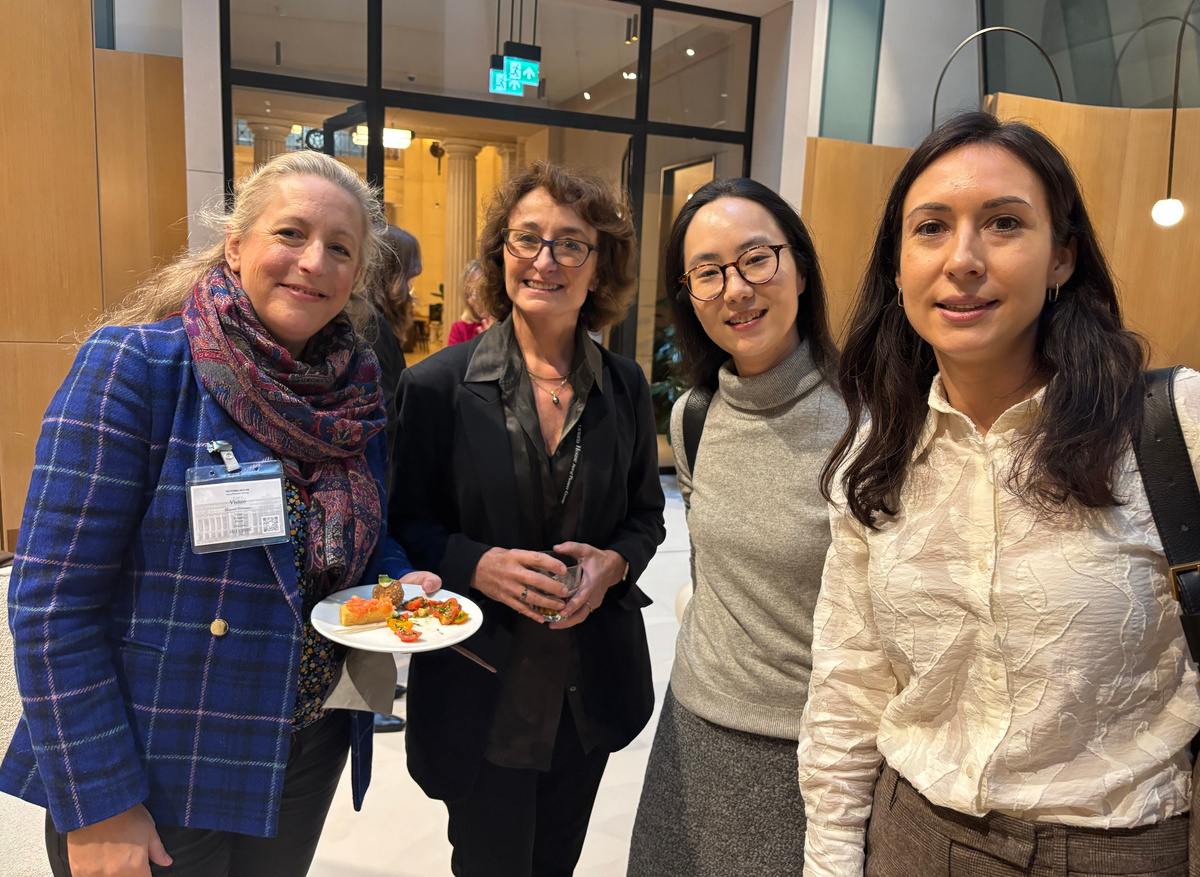
Swiss/UK Women in Biotech lunch
At midday at our Victoria House headquarters, women biotech executives and investors from around the world joined the She Steers cohort for the Swiss/UK Women in Biotech lunch, to build links between Swiss and UK life sciences.
Tomorrow: delegations, patient care and the second day of the MHRA summit...