The UK-EU reset and the future of biosolutions regulation
Closer regulatory alignment between the UK and the EU should not mean losing opportunities to innovate
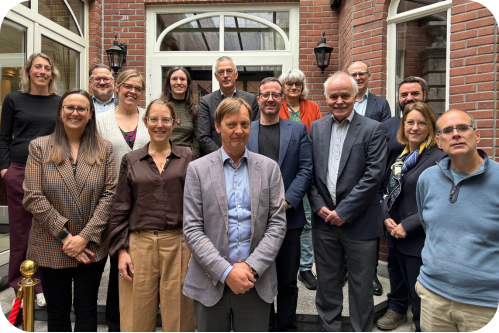
Roundtable on genetically modified organisms and gene editing
The experience and evidence generated through successful UK approaches should inform the next generation of European regulation.
-
BIA’s work: BIA supports closer UK-EU cooperation, while working to ensure areas where UK regulation is a step ahead of the EU are preserved as carve outs to the SPS agreement.
-
Genetically modified organisms and gene editing: Discussions identified three priority areas: establishing a cross-European regulatory sandbox on GMO; moving from authorisation to notification; and implementing at pace to secure Europe’s global competitiveness.
-
Genetically modified microorganisms (GMMs): Greater investment in evidence generation, improved regulatory tools and closer UK-EU collaboration will be essential if environmental applications of GMMs are to reach market.
-
Novel foods: The EU and EFSA should formally consider the learnings and outcomes of the UK’s CCP sandbox. Regulatory sandboxes for novel foods should be actively encouraged, alongside dialogue between innovators and farming communities.
-
Looking ahead: BIA will continue to work with European partners, policymakers and regulators to champion practical solutions that support innovators, facilitate cross-border trade and strengthen Europe’s global competitiveness in the bioeconomy.

Maddie Cass
Policy and Public Affairs Manager, BIA
In the decade since Brexit, the UK and EU's regulatory frameworks have been undergoing a slow process of tectonic drift, with areas of regulatory divergence emerging across several sectors. Biotechnology is one area where the UK has diverged most prominently, with the introduction of the landmark Precision Breeding Act 2023 and the Food Standards Agency's (FSA) regulatory sandbox for Cell-Cultivated Products (CCPs).
This pro-innovation regulatory divergence has been considered an area of UK strength and a rare benefit of Brexit. Now, under the much-anticipated SPS agreement, the UK may realign with EU regulations to reduce checks on goods at the border. Although industry is generally supportive of measures to facilitate trade, there are concerns that the UK stands to lose the competitive advantage in pro-innovation biotech regulation that it has developed since Brexit.
After over a year of deliberations, a deal has now been reached. Negotiations are expected to conclude at the upcoming EU-UK Summit on 20 November.
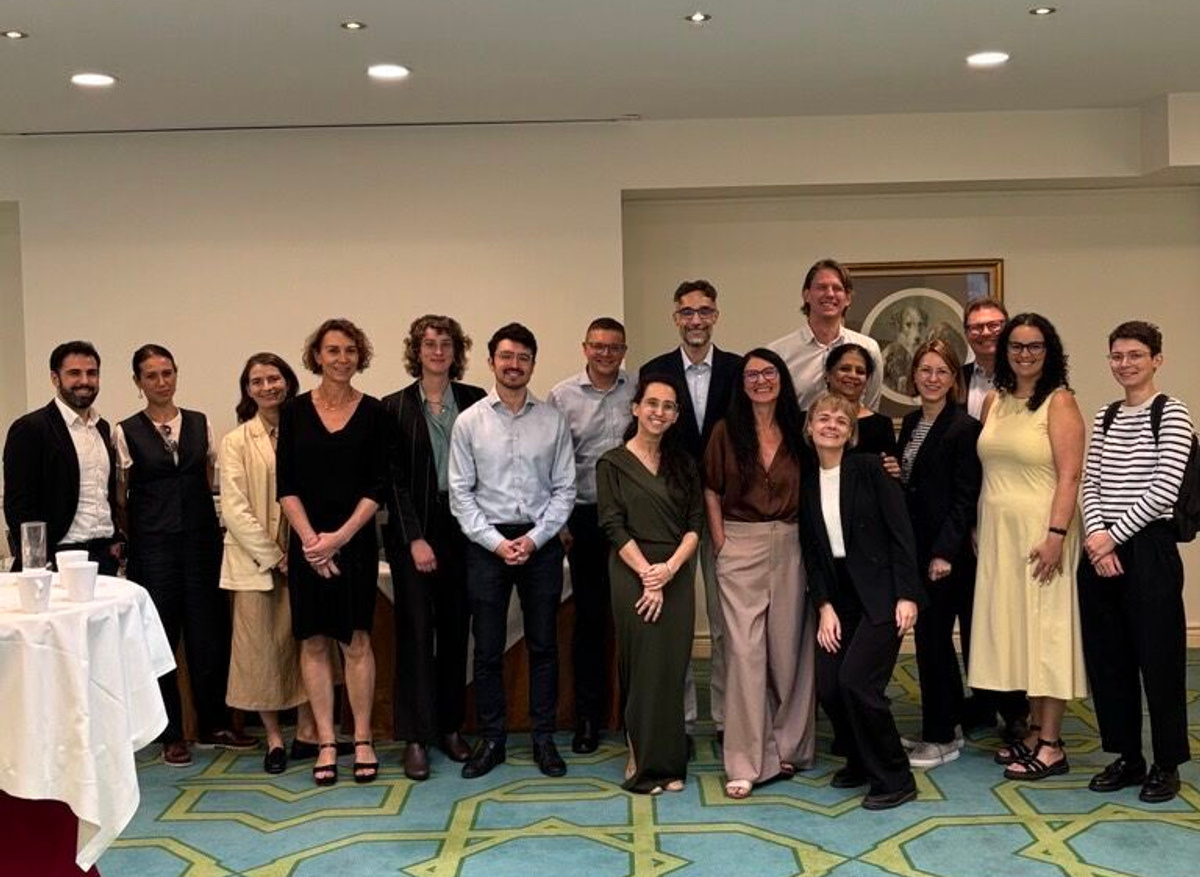
Roundtable on novel food
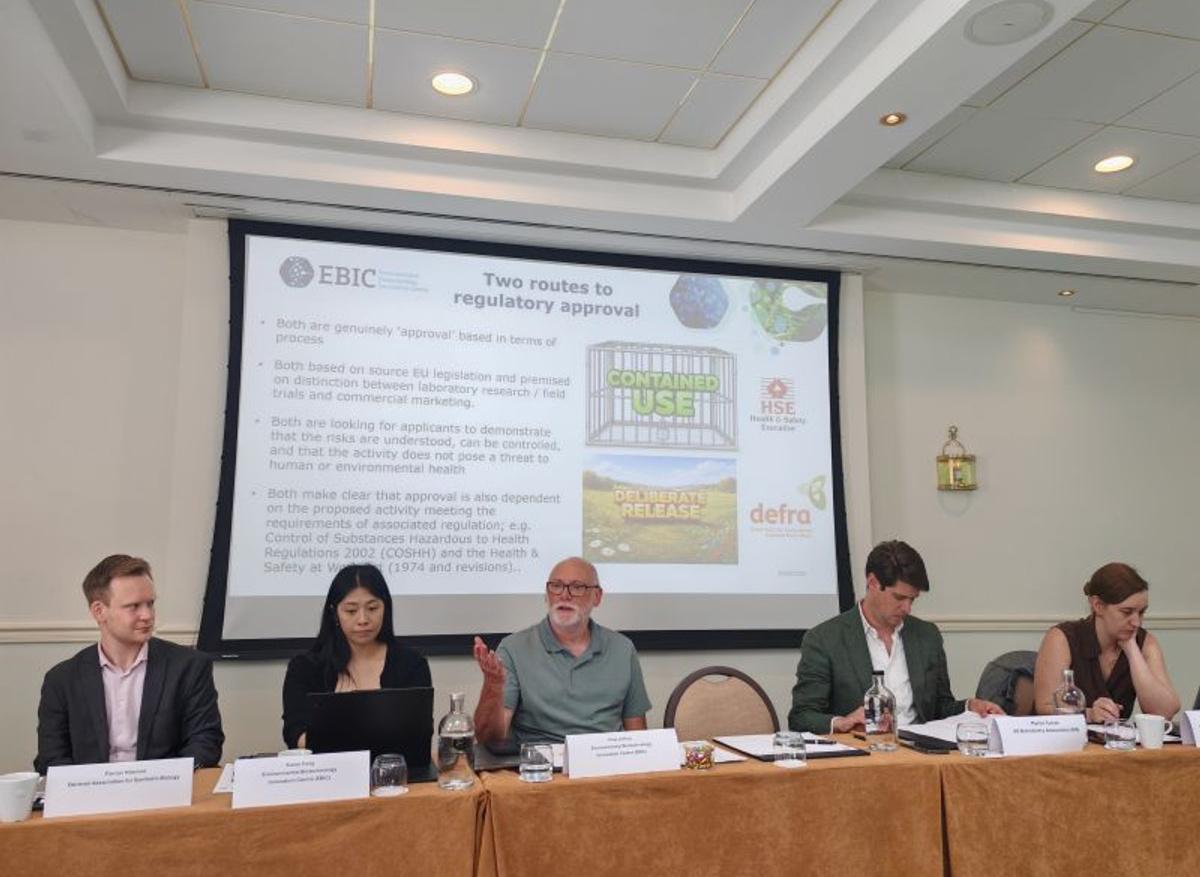
Roundtable on genetically modified microorganisms
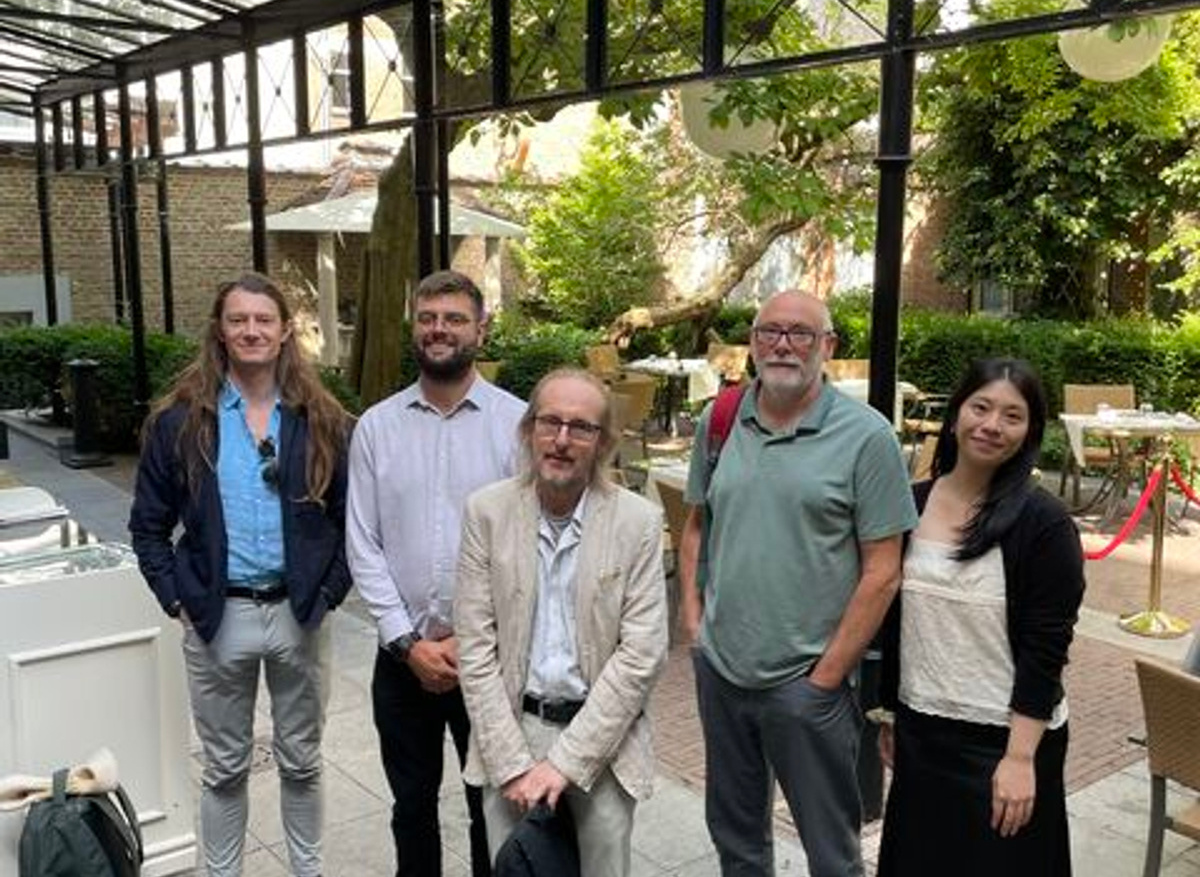
Roundtable on genetically modified microorganisms
BIA's work: building a more collaborative approach to UK-EU regulation
BIA supports closer UK-EU cooperation to facilitate trade and encourage the growth of the European bioeconomy. However, over the past year, we have been working to ensure any areas where UK regulation is a step ahead of the EU are preserved as carve outs to the SPS agreement.
The UK's hard-won progress must be preserved to ensure certainty for businesses. Taking a longer-term view, we support alignment with pro-innovation EU regulation. We support the development of closer ties, where both the UK and the EU have an opportunity to share best practice, learn from successful approaches and develop frameworks that support innovation across both jurisdictions.
Throughout 2026, BIA worked with European industry organisations, innovators, regulators and research institutions to explore how this can be achieved. We brought together UK with EU stakeholders to examine regulatory challenges and identify practical recommendations across three areas: genetically modified organisms (GMOs) and gene editing; novel foods; and genetically modified microorganisms (GMMs) for environmental deployment. The discussions focused on developing proportionate, science-based regulatory approaches that support innovation while maintaining high standards of safety and environmental protection.
Read our policy briefing: Carving a path to regulatory approval for environmental biosolutions: High-level conclusions of UK-EU roundtable, June 2026
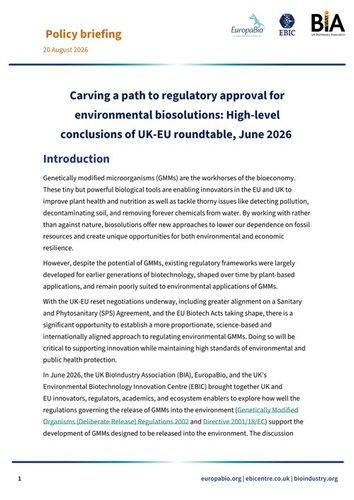
Genetically modified organisms and gene editing
The GMO regulations are a cross-cutting framework that has been widely criticised by industry for focusing too heavily on the process by which a product is developed, rather than the characteristics of the final product.
These rules have had a dampening effect on the adoption of innovation in Europe compared with jurisdictions such as Canada and the US. Both the UK and EU are taking steps to reduce the regulatory burden by carving gene-edited crops out of the framework through the Precision Breeding Act 2023 and the New Genomic Techniques legislation, respectively.
Hosted jointly with the European Biosolutions Coalition, BIA convened stakeholders in Brussels in May to identify practical steps towards building a cross-European approach to GMO regulation. The discussions identified three priority areas where coordinated action could deliver meaningful progress:
- Creating pathways for future regulatory convergence and joint learning, by establishing a cross-European regulatory sandbox on GMO.
- Transitioning towards more proportionate, science-based regulatory approaches, moving from authorisation to notification.
- Implementing at pace to secure Europe’s global competitiveness.
The full briefing was shared with policymakers in the UK and EU.
Genetically modified microorganisms (GMMs): the case for innovation-friendly regulation
GMMs are being developed to improve plant health and nutrition and tackle environmental challenges such as detecting pollution, decontaminating soil and removing persistent chemicals from water. However, there is limited precedent for their release into the environment under current regulatory approaches.
The GMO regulations that govern them were designed primarily with plants in mind and do not fully account for the specific characteristics of these products. Under Biotech Act I, the EU is proposing a new streamlined pathway for placing certain GMMs on the market. This marks a significant departure from the EU's current approach, and regulators and industry in the UK are watching with interest to see how the proposals are implemented.
Together with EuropaBio and the Environmental Biotechnology Innovation Centre, we examined how existing UK and EU regulations governing the deliberate release of GMMs into the environment could better support innovative applications. Participants identified a set of policy priorities to support a more innovation-friendly regulatory framework for environmental GMMs across Europe.
Participants agreed that regulation should continue to be firmly science-led, but that greater investment in evidence generation, improved regulatory tools and closer UK -EU collaboration will be essential if environmental applications of GMMs are to reach market and provide financially and operationally competitive products and services.
The following priority areas emerged where coordinated action between the UK and EU, and industry and regulators could deliver meaningful progress:
- Strengthen the scientific evidence base for environmental risk assessment
- Develop proportionate and consistent approaches to environmental risk classification
- Create expedited regulatory pathways for well-understood applications
- Develop specific regulatory guidance for distinct classes of products
The full briefing was shared with policymakers in the UK and EU.
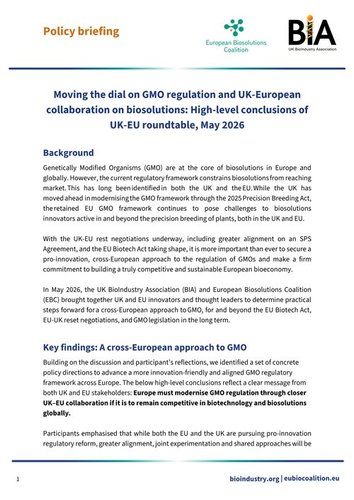
Read our policy briefing: Moving the dial on GMO regulation and UK -European collaboration on biosolutions: High-level conclusions of UK-EU roundtable, May 2026
Novel foods: the need for UK-EU coordination
The future of novel foods is at an inflection point in Europe. The UK's flagship regulatory sandbox for Cell Cultivated Products (CCPs) is due to come to an end in early 2027. Meanwhile, in the EU, the future of novel foods regulation is being debated under Biotech Acts I and II. The current Biotech Act I proposal excludes regulatory sandboxes for novel foods. At the same time, UK-EU reset negotiations on new food trading rules could result in the UK dynamically aligning with current and future EU regulation. This could have significant implications for the path to market for novel foods across both jurisdictions.
Together with the European Biosolutions Coalition and the Bezos Centre for Sustainable Protein, coordinated action can deliver meaningful progress across three areas:
- Following the conclusion of the UK-EU SPS negotiations, the EU and EFSA should formally consider the learnings and outcomes of the UK's CCP sandbox when developing their approach to novel foods regulation and the design of regulatory sandboxes.
- Regulatory sandboxes for novel foods should be actively encouraged at EU and Member State level to provide greater certainty for innovators, regulators and consumers, while supporting continued learning.
- Dialogue between innovators and farming communities is essential to address opposition and foster understanding of the opportunities for farmers.
The full briefing was shared with policymakers in the UK and EU.
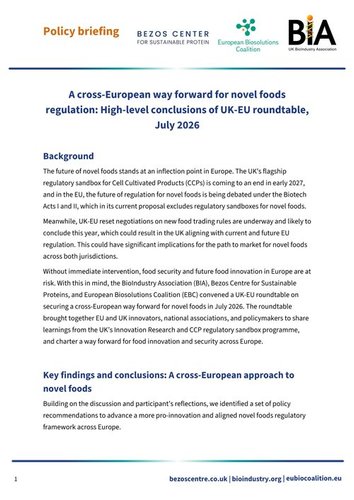
Read our policy briefing: A cross-European way forward for novel foods regulation: High-level conclusions of UK-EU roundtable, July 2026
Looking ahead
Across all three areas, a consistent message emerged: the UK and EU have an opportunity to work together to develop a more proportionate, predictable and science-based regulatory environment for biosolutions. Closer regulatory alignment should not mean losing opportunities to innovate. Instead, the experience and evidence generated through successful UK approaches should inform the next generation of European regulation.
As the UK-EU reset progresses and the SPS agreement is announced, BIA will continue to work with European partners, policymakers and regulators to champion practical solutions that support innovators, facilitate cross-border trade and strengthen Europe's global competitiveness in the bioeconomy.