In this blog, Ethan Almond reflects on the inaugral BioSolutions UK conference, which brought together over 200 innovators, policymakers and industry leaders alongside an additional 29 investors.
With £1.46 billion raised since 2018 and a record recovery in 2025, the UK biosolutions sector is moving from lab-based experiments to industrial-scale impact. Explore the data behind the UK's next industrial revolution.
In this guest blog, Valerie Pinkerton, UK TNFD & Transition Plans Lead at the Green Finance Institute, explores why nature-related risks are becoming increasingly important for the pharmaceutical and biotechnology sector.
This webinar showcased how the 3Rs were being turned into real action across modern research. Watch to hear insights from leading UK experts and industry innovators on policy shifts, future funding, and cutting-edge approaches improving both science and animal welfare.
In this blog, Linda Bedenik, Senior Policy and Public Affairs Manager at BIA, explores Biosolutions, defining what they are and their potential to solve global challenges beyond health.
Our final blog of 2025 celebrates some excellent fundraising news to close the year, while highlighting key opportunities to engage with and shape the UK life sciences agenda — including the development of UK engineering biology, data policy, a cross-cancer research policy position and salary benchmarking.
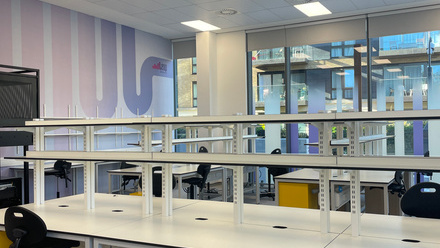
Just one month after launch, five early-stage science companies have moved into the Leap incubator lab space at ARC West London. The first cohort of innovators joining Leap includes: Solveteq, Reseda Life Sciences, Tachmed, IgEDAPT, and Sea2Carbon.
London Life Sciences Week was a huge success last week, with significant increase in investors and life sciences execs coming together to connect and network. Combined with the news of two new significant fund raises from Sofinnova and Medicxi and progress towards completion of the British Growth Partnership Fund, it did feel that the sector found a lot to be hopeful about.
London Life Sciences Week kicked off last night with a buzzing reception at Somerset House and we’re looking forward to a jam-packed week of networking and events. Great to see the incredible hard work from the BIA and L&P teams come to life – shining a global light on the incredible UK ecosystem. At the same time, we’re seeing the UK take a leading role in pro-innovation regulation, from last week’s enactment of the Precision Breeding Act to Lawrence Tallon’s insights on the MHRA’s proportionate, strategic future approach, and now need the government to invest in the sector and ensure the commercial environment enables the UK to build on this world-beating foundation.
In this guest blog, Luis Lacerda and Suzanne Farid from UCL explore the transformative potential of engineering biology and its critical role in addressing sustainability challenges in medicines manufacturing.
A new industry briefing note developed by Pioneer Group in collaboration with the UK chemicals sector community highlights the urgent need for the sector to transition to a more sustainable, circular economy.
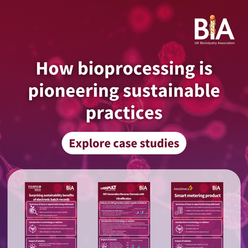
As the world becomes increasingly focused on environmental responsibility, the bioprocessing industry is transforming its approach to reduce its environmental footprint without compromising quality or safety. Take a look at case studies of BIA MAC companies creating sustainable models that can inspire similar changes across the industry.