Sixfold Bioscience presents at UK Government's Office for Life Sciences
Sixfold Bioscience, a leading AI-enabled RNA delivery company that leverages the body’s evolved delivery pathways, were invited on 22nd January 2024 to lead a Q&A session with the UK Government's Office for Life Sciences. The Office for Life Sciences champions research, innovation and the use of technology to transform health and care service. The OLS is part of the Department of Health and Social Care and the Department for Science, Innovation and Technology.
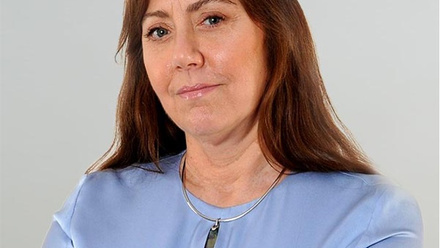
Co-founder and co-CEO of Sixfold, Dr Anna Perdrix Rosell, and Chief Business Officer Dr Tina Flatau, joined some 80 OLS staff in the historic Churchill room at 100 Parliament Street, Westminster, for a session on ‘Challenges & Opportunities for sector development in the UK’. Sixfold, based at London’s White City Campus, gave an overview of their research in RNA, and how their growing in vivo data sets and library of delivery vectors provide a key layer of infrastructure, enabling the entire field of RNA treatments to progress.
Dr Perdrix Rosell explained how Sixfold exemplified the creation and growth of a platform and technology-led business in the UK life science environment. Dr Perdrix Rosell and Dr Flatau answered questions on enablers for sustainable growth of new biopharma businesses, touching upon the entrepreneurial ecosystem, funding, attracting specific talent and infrastructure needs.
The meeting reflected on the UK’s centralised access to clinical development through the NHS, a huge draw to pharmaceutical companies, and noted the value to emerging technology companies of independent review and feedback from UK grant awarding bodies and early communication pathways with the likes of MHRA and NICE.
More news and updates
December 2025 (AGM)
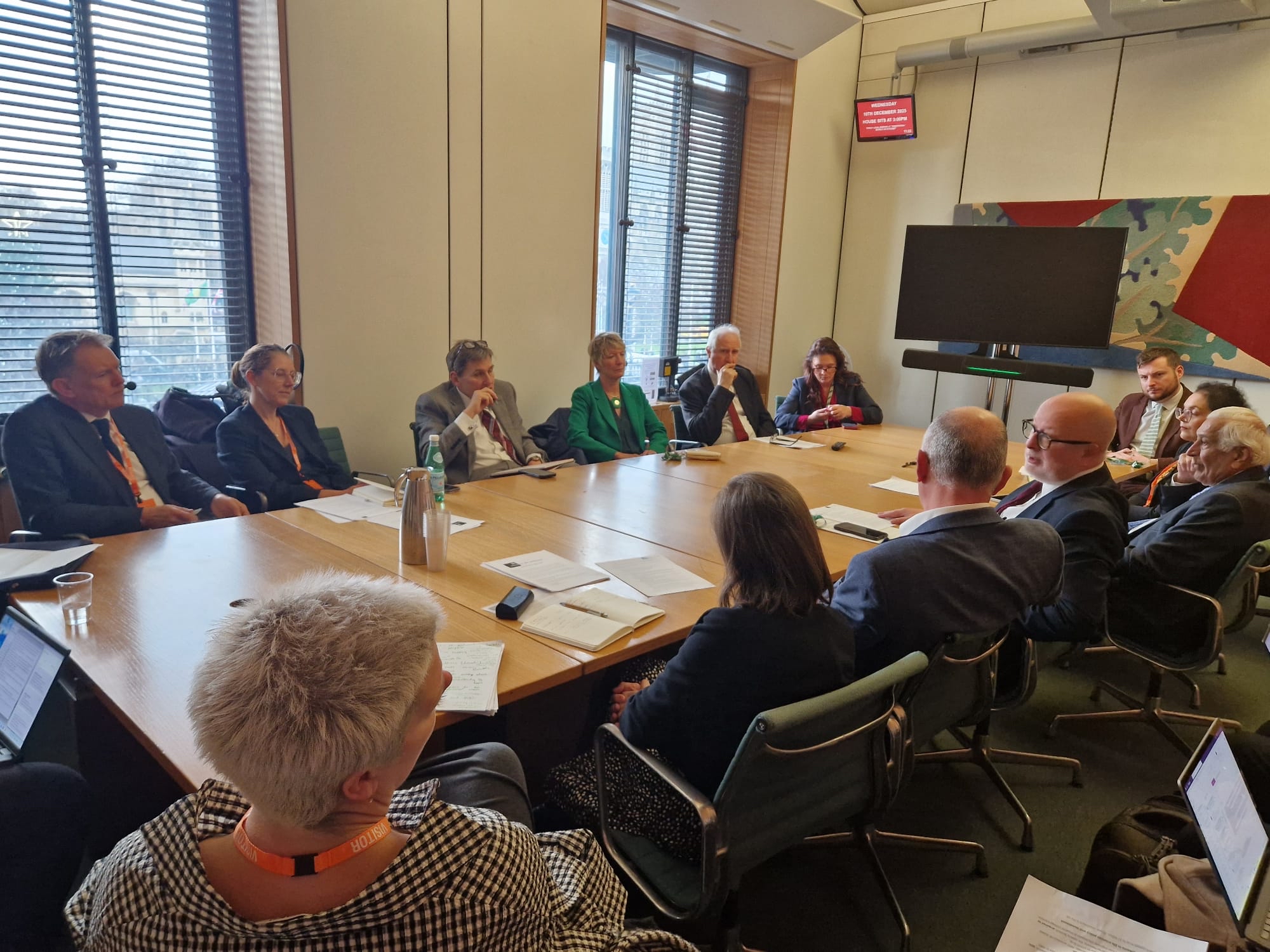
The APPG held its AGM in Demcember 2025, followed by a roundtable to explore, 'Is the UK’s life sciences environment competitive enough?'.
The session covered reactions to the Autumn Budget and examined the key drivers shaping the UK’s ability to compete internationally, particularly in light of recent evidence given to select committees, the UK-US deal, and concerns raised about pricing, uptake and access for medicines and technologies.
There was cautious optimism. Recent policy moves have helped reset sentiment, and initiatives like Health Data Research Service point in the right direction. But delivery is what counts. As one delegate put it: if patient outcomes aren’t different and uptake hasn’t improved in two years or so, then we’re not doing enough.
Access the meeting minutes, income and expenditure statement, due diligence statement and annual report.